
When someone types a name into a people search tool, they may think only about the result on their screen. Yet there is a broader conversation unfolding quietly about privacy in those moments of inquiry. What actually matters to people when they dig through public records or databases for information on others? What concerns do they carry with them, and how do those concerns match the realities of data collection and access?
Distinguishing Public Facts From Personal Boundaries
One recurring point of tension in people searches is the blurry line between publicly available information and personal privacy. On the one hand, much of the basic data – addresses, phone numbers, past residences – is derived from public records maintained by governments or other official sources. These records are generally meant to be accessible and can be essential if someone needs to verify identity or reconnect with family.
However, the moment those individual details get aggregated into comprehensive profiles and placed online in an easily searchable format, an entirely new dynamic emerges. What felt like simple public facts to one person can feel invasive to another when exposed without context or consent. This dynamic prompts questions about where exactly privacy ends and public access begins. People often want reassurances that their sensitive moments or outdated information won’t be unfairly broadcasted to strangers.
Transparency and Control Often Come Up First
Many folks conducting people searches express a desire for transparency regarding who accesses their data, and under what conditions. A common worry is being unaware of where information travels once it is in online databases. For instance, some people hope to know if potential employers, distant acquaintances, or even marketers are pulling up their history. This need for transparency is a reflection of a broader demand for control over personal data and how it circulates.
Alongside transparency, control touches on the ability to correct inaccuracies or remove outdated details. Public records are not immune to error, and small mistakes can snowball into misunderstandings or harm to reputation. People searching for themselves – or being searched by others – want mechanisms to challenge data if it no longer reflects reality. That ability to participate in managing one’s information is a growing expectation in privacy conversations.
The Role of Context in Privacy Expectations
It is also interesting to observe how much context influences what people consider appropriate or intrusive. For example, sharing a residential address might be comfortable in a family or social setting but raise alarm bells in other situations like dating or professional environments. Similarly, someone might accept that their marriage record is public but feel uneasy about having that detail appear alongside unrelated legal troubles from years ago.
This illustrates that privacy is not solely about data presence but about how information is framed and linked. The assembly of disparate facts into a unified profile changes the narrative and influences reactions. Those who perform people searches, whether casually or for more serious reasons, often wrestle with this sense of ethical judgment along with practical aims.
Privacy Challenges in an Increasingly Connected World
As data grows more interconnected across government sources, social platforms, and commercial websites, maintaining privacy boundaries becomes tougher. People searches are no longer isolated glimpses at single records but snapshots of wide swaths of related information. This amplifies the impact of mistakes or sensitive revelations and complicates attempts to keep personal boundaries intact.
Users and observers alike note that the evolving technology behind these searches calls for ongoing attention to privacy policy and digital rights. Even well-intentioned platforms must grapple with how their data handling practices affect the lived experiences of individuals. For some, the concern is less about hiding information than about preventing misuse or weaponization of public material.
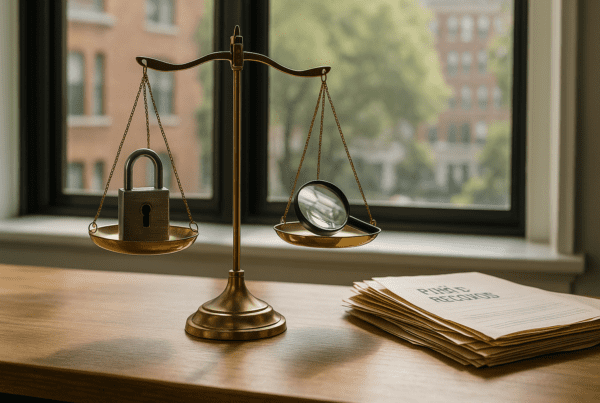
This reality means inquiries about privacy go beyond simple access issues and move toward questions of fairness, consent, and respect in a digital environment. The challenge is in balancing openness necessary for verification and connection with protections against harms driven by exposure or misinterpretation.
The Quiet Care In People Searches
One takeaway from watching how people engage with privacy during searches is that many approach these tasks with care and consideration. People recognize the weight of digging into another’s history and often hope to avoid exploiting private woes or stirring unnecessary trouble. This sense of restraint underlines a collective desire for respect even in public space.
Still, challenges remain. Not everyone shares the same standards for privacy, and the differences can lead to tension or confusion. People search tools and platforms continue to evolve as they try to align with shifting norms and legal requirements, as seen in resources like the Federal Trade Commission’s consumer privacy rights or the ways the National Center for State Courts explains public record access.
Over time, the dialogue about privacy and people searches will likely deepen in complexity, reflecting broader societal questions about identity and data. For now, the observations suggest a steady search for balance in a world where information can be both a tool and a vulnerability.
Exploring these themes with grounded perspective helps reveal that privacy is rarely a simple yes or no matter. It is a layered reality shaped by trust, transparency, context, and the human impulse to understand others while protecting oneself.
More reflections on this can be found through sites like GovInfo that provide official document access and Privacy Rights Clearinghouse, which advocates for informed digital privacy decisions.
People searches, far from being mundane clicks, open windows into how privacy lives in everyday experience, showing what we value, fear, and hope for in the digital age.
Sources and Helpful Links
- Federal Trade Commission’s consumer privacy rights, a government resource outlining privacy protections for individuals.
- National Center for State Courts on public records access, a guide explaining the balance between openness and privacy in court-related records.
- GovInfo, the official source for U.S. government publications and legal documents, illustrating public record transparency.
- Privacy Rights Clearinghouse, a nonprofit advocacy organization focused on digital privacy education and consumer rights.