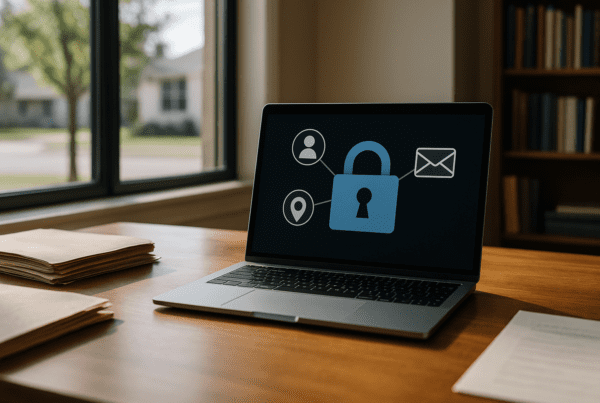

In the digital age, sharing contact information feels like a routine part of staying connected. Yet, beneath the surface of simple phone numbers and email addresses lies a growing web of rules designed to protect that data. Recent privacy regulations are changing the terrain, influencing how individuals and companies manage and share contact details online.
The evolving backdrop of personal data protection
Privacy laws have steadily gained attention as concerns about digital data misuse have risen. Governments and regulators now focus heavily on how personal information is collected, stored, and shared. Contact information, once casually exchanged, has become a sensitive piece of the data puzzle. Rules like the European Union’s General Data Protection Regulation (GDPR) and the California Consumer Privacy Act (CCPA) illustrate broader trends toward transparency and individual rights around personal data.
One fundamental shift is the recognition that contact details are not just isolated facts but part of a person’s identity and social fabric. This understanding underscores stronger legal obligations for entities handling contact information-whether tech platforms, marketers, or data brokers.
How these rules ripple through online sharing
The new privacy landscape makes the sharing of contact information more deliberate and often more restricted. Organizations that once freely exchanged email lists or address books online now face stricter consent and notification rules. Data subjects-basically anyone whose data is involved-gain rights to know how their contacts are used and to request deletion or corrections.
On a practical level, this means platforms must embed privacy controls deeply. Think of social media sites or business networking platforms where users often share or import contacts. Those interactions are now more tightly regulated, requiring clear disclosures and the ability to manage permissions directly.
Additionally, automated systems that scan or scrape publicly available contact information for marketing or profiling confront steeper legal hurdles. Companies must weigh not only compliance risks but reputational impacts when handling such data. The old assumption that public data equated to fair game no longer holds without scrutiny.
Implications for individuals navigating contact sharing
These regulatory shifts also affect everyday users trying to share contact details with friends, family, or colleagues online. While regulations focus more on organizations, they shape practices on personal devices and apps. Apps may change defaults around syncing address books, for example, prompting users to reconsider how broadly they share contacts.
People may notice more frequent privacy notices, permission requests, or options to limit sharing in apps they use regularly. Behind this are attempts to empower users with more control, though it can feel like added friction in simple tasks.
At the same time, individuals should stay alert to what they share online, aware that any piece of contact information can become part of a broader data ecosystem. Oversharing can inadvertently expose others’ information without their consent, potentially violating privacy principles or triggering unwanted communications.
The balance between connectivity and protection
It is worth observing the delicate balance these new rules try to strike. On one side, contact information is foundational for communication, networking, and community building. On the other, unchecked sharing opens doors for spam, scams, identity theft, and erosion of personal boundaries.
Emerging privacy regulations reflect a broader societal demand for accountability in digital spaces, recognizing that data about who we know shapes much of our online experiences. The ongoing challenge lies in crafting policies that ensure data protection without strangling the organic ways people connect and collaborate.
Meanwhile, technology continues to evolve alongside regulation. Privacy-enhancing technologies such as encrypted contact sharing, selective data exposure, and secure authentication methods offer potential ways to align convenience with protection over time.
What to watch for as privacy rules develop
Looking ahead, privacy regulations around contact information are unlikely to settle into stasis. They will continue to adapt as new business models, communication channels, and threats emerge. Cross-border data flows and differences in regional laws make the landscape particularly intricate.
For individuals and organizations alike, staying informed about these rules and technological options is key. Navigating consent, data minimization, and transparency thoughtfully becomes part of how people manage their online identities and relationships.
In this shifting context, a cautious and curious approach serves well. Being aware of the rules’ intent and the real-world risks they address helps move beyond seeing contact information as just a string of digits or letters toward understanding its role in privacy and trust.
As these privacy norms settle, a clearer sense of mutual respect around contact sharing may emerge, one that encourages connectivity while honoring individual control and security.
Several digital rights organizations and government sites offer continual updates on how privacy laws are evolving and how they affect personal data sharing practices. These sources can provide ongoing clarity amid the complexity that comes with growing regulation and shifting technology.
For those interested in exploring how data around contact information is regulated and connected to wider privacy issues, resources including the UK Information Commissioner’s Office and the Federal Trade Commission’s privacy portal offer trustworthy explanations and guidance for consumers and businesses.
In sum, new privacy regulations reshape the way contact information can circulate online, imposing thoughtful controls intended to protect individuals while acknowledging the intrinsic value of human connection. The landscape remains a work in progress, inviting everyone involved to adapt and engage with the realities of sharing personal details in a digitally networked world.
Exploring this topic continues to reveal the evolving relationship between technology, law, and everyday social behavior, underscoring how privacy and communication coexist in modern life.
Understanding these developments provides a more grounded perspective on the data we exchange and opens pathways to using personal information with greater care and respect.
At its core, privacy regulation around contact information is about trust. How much of our social identity do we want digital systems to share, and under what terms? These choices shape not only individual experience but the broader culture of online interaction that continues to unfold.
Taking a step back to observe how these rules play out day to day offers some insight into the careful negotiation behind seemingly simple acts of sharing a phone number, an email, or a contact list online.
For those looking for practical perspectives and updates, trusted hubs on privacy laws and online security remain key starting points to navigate this evolving terrain.
Even as the rules tighten, the impulse to connect remains strong, highlighting the ongoing dialogue between privacy and communication in the digital age.
Sources and Helpful Links
- UK Information Commissioner’s Office, offers comprehensive guidance on data protection laws in Europe.
- Federal Trade Commission’s Privacy and Identity Protection, provides updates and educational resources on privacy in the United States.
- CNIL, the French data protection authority’s site with practical advice on personal data privacy and rights.
- Electronic Frontier Foundation Privacy Section, covering digital privacy issues and advocacy in technology.