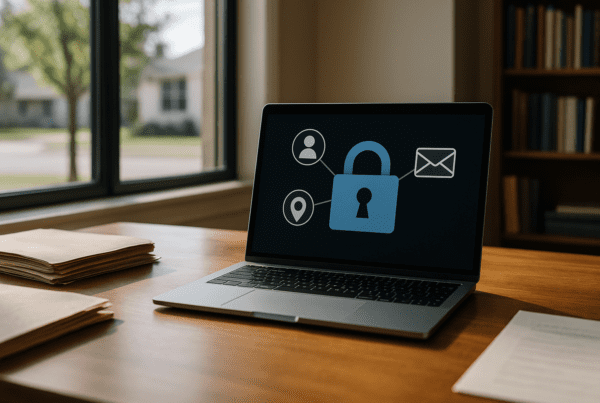

At first glance, comprehensive people search tools offer a remarkable convenience. With a few clicks, you can unlock decades of public records, contact details, address histories, and more. For those who have needed to reconnect with long-lost contacts, confirm identities, or gather vital background information, these tools feel like a modern bridge to the past and present. Yet, the very ease they provide invites a closer look at what users might be trading away in the process.
When The Details Run Deep
The data aggregated by these people search platforms covers an impressive scope. They pull from a range of sources including, but not limited to, court records, property deeds, social media profiles, and public government databases. This breadth means users can find information that once required specialized access or labor-intensive searches. However, the richness of this data collection means that it also inevitably captures sensitive details.
Unlike a social media profile you choose to curate and share, the records surfaced through these tools are often not consciously provided by the individuals they describe. When a tool extracts and compiles your address history or links you to related people, it can feel intrusive, especially if you were unaware of how much public data was out there. The problem is that what is publicly accessible is sometimes assumed safe to surface, yet the impact of easy aggregation changes how that data feels and functions.
Control Slips While Convenience Grows
Users today trade some measure of privacy for convenience in many areas of life, but people search tools stand out because the exchange is somewhat opaque. While you might know you are searching for someone, you may not realize that your own information is being packaged and potentially sold in the same ecosystem.
Services behind these tools often operate on business models that monetize access to this data, either through subscriptions, reports, or advertising. That means someone’s curiosity about a person’s background or contact details can simultaneously expose the searched individual’s information to an even wider pool of eyes. This chain of visibility is something users rarely consider at first.
As this data circulates, it increases the risk of misuse, from phishing attempts to more serious forms of identity fraud. While reputable providers emphasize compliance with laws like the Fair Credit Reporting Act (FCRA), compliance does not eliminate all risks associated with broad data distribution. This undercurrent of vulnerability is present whether people use these tools for straightforward reasons or more questionable ones.
The Legal Landscape Isn’t Always a Perfect Shield
In the United States and other countries, there are rules governing the use and redistribution of personal information, but they do not always keep pace with the capabilities of modern data aggregation. Providers must tread carefully to avoid legal pitfalls, especially if they are supporting tenant screening, employment checks, or similarly regulated uses.
However, the same rules that protect individuals in regulated contexts may leave gaps in everyday usage scenarios. The average user who clicks through to a report or verifies a name and address typically will not be steered by strong legal enforcement of data handling practices, leaving privacy protections mostly reliant on the provider’s integrity and user awareness.
Moreover, public records themselves exist precisely because of transparency goals, such as in court filings or property registration. This creates a sometimes uneasy balance between the public’s right to access and an individual’s right to privacy, especially as comprehensive online search tools assemble this information into easy-to-consume profiles.
What Staying Informed Looks Like Today
People using these services benefit from awareness about what kinds of information are likely present, how those details got there, and who else might have access. For instance, knowing that your current and past addresses are part of public records can prompt some to be more cautious about sharing new personal information online or to periodically check the accuracy of what appears in these databases.
Some privacy advocates encourage users to find out if and how they can opt out or request removal of specific information from these websites. Although this varies widely by platform, it reflects an ongoing tension between data permanence and user control that is unlikely to vanish.
In a world increasingly driven by personal data, the tradeoff between the utility of comprehensive people search tools and the privacy they inevitably erode feels like a part of a larger negotiation many navigate daily online. Staying vigilant, understanding the limits of control, and thinking about the implications before searching or being searched represent meaningful ways to approach this evolving reality.
Ultimately, these tools mirror the broader challenges of digital life: how to benefit from connectivity and information availability while safeguarding personal rights in a landscape where the boundaries of privacy are continually redrawn.
See more detailed perspectives on data privacy and public records use from organizations like the Federal Trade Commission, as well as detailed explanations of people search services at privacy advocacy sites such as Privacy Rights Clearinghouse. Insights on public data access and limitations are available at USA.gov Public Records and for legal frameworks visit the FTC’s Fair Credit Reporting Act overview.
Sources and Helpful Links
- Federal Trade Commission Comprehensive consumer protection agency offering information about data privacy and online security.
- Privacy Rights Clearinghouse Nonprofit that provides detailed resources on privacy, data breaches, and consumer rights.
- USA.gov Public Records Official guide explaining access to public records across the United States.
- FTC’s Fair Credit Reporting Act overview Explains legal requirements for consumer reports and data handling practices.