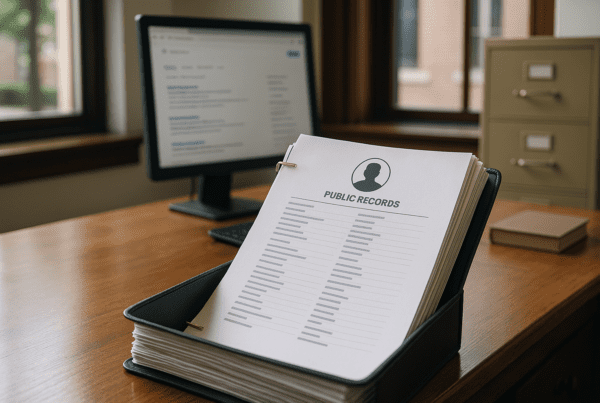
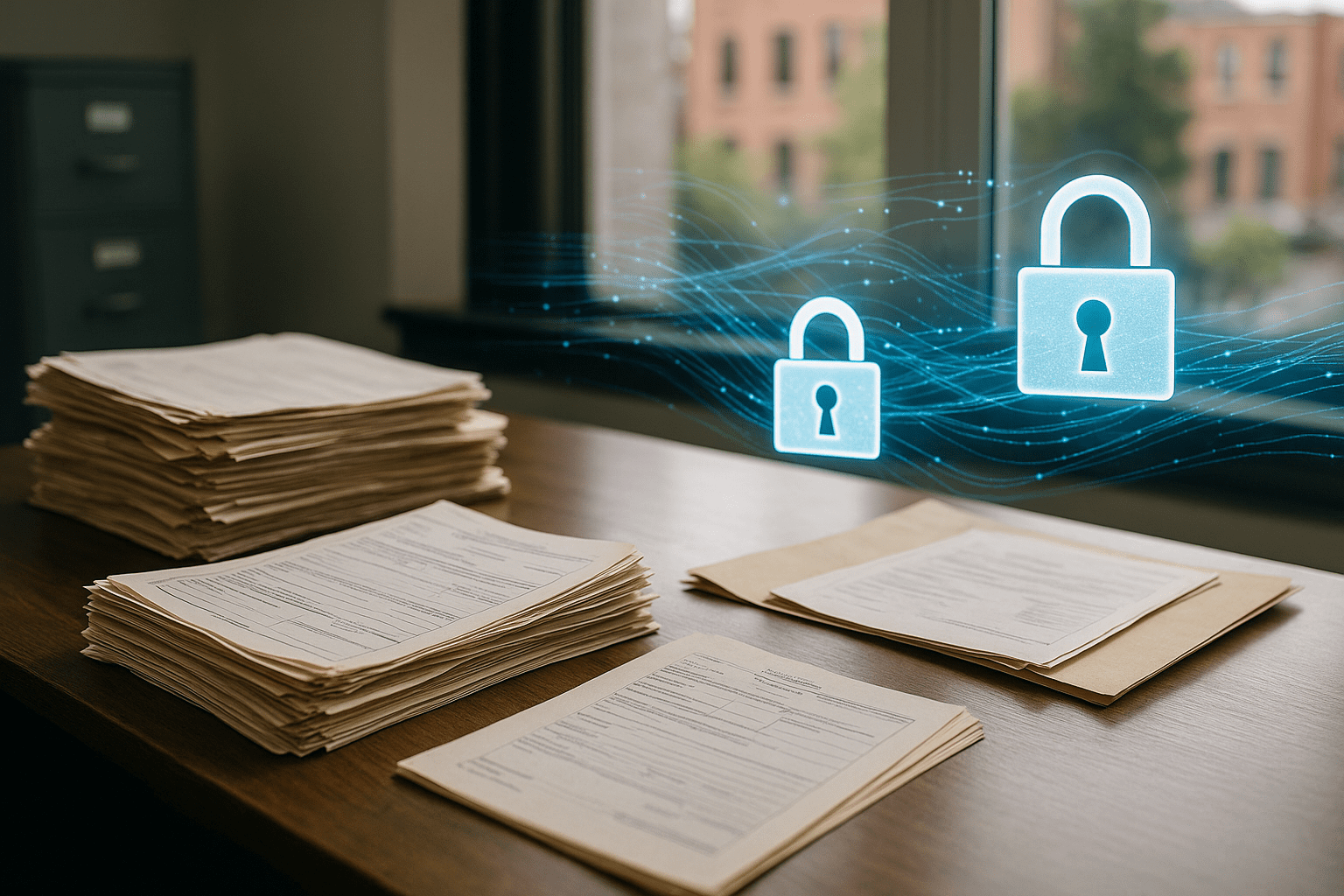
The landscape of public records sharing in the United States is quietly shifting in ways that reflect broader changes in how society values privacy alongside transparency. Recent federal guidelines crafted to govern the access and distribution of public data introduce fresh layers of complexity, showing how evolving technology and cultural expectations influence even longstanding government practices.
Redefining Transparency Beyond Simple Access
Traditionally, transparency meant that government-held records were readily accessible to the public. This basic principle has supported accountability, research, and personal fact-checking for decades. The newest federal rules don’t dispute the public’s right to these records but instead suggest we need a more detailed approach that respects individual privacy within the open data framework.
This shift recognizes that many public documents contain sensitive personal information that can be misused if left unchecked. The raw openness of earlier decades is giving way to a model where agencies evaluate what details must be redacted or withheld, attempting to protect individuals while maintaining public accountability. These new considerations prompt discussion about how transparency is defined and where boundaries should lie.
Documents such as property registries, court files, and licensing data remain essential tools for various uses, yet they are now handled with additional scrutiny to avoid unintended harm. That balancing act has become more delicate as digital records amplify both access and risk.
Privacy Challenges in an Expanding Digital World
The protection of personally identifiable information has become a central concern under the updated guidelines. Data points once routinely published are now held to closer inspection. Social security numbers, specific addresses, and other identifiers present potential vulnerabilities that can lead to identity theft or other abuse.
Federal guidelines encourage agencies to adopt data handling methods that prevent exposure without unduly limiting public access. This means tailored redactions or, in some cases, access restrictions based on the nature of the information and the requester. The guidelines do not spell out a uniform checklist but leave space for judgment, which can lead to varied implementations across jurisdictions.
Some smaller or under-resourced offices face challenges in applying these standards effectively. The investment in staff training, technological tools, or procedural changes may be considerable. Larger government bodies often have more capacity to integrate automatic redaction systems and advanced record management software to meet these federal expectations.
How These Rules Affect Everyday Users
Anyone who regularly engages with public records notices changes under the new guidelines. Journalists, legal professionals, researchers, and private individuals find that some documents take longer to obtain or arrive with fewer details than before. While these shifts can slow down processes, they are meant to prevent misuse of personal information.
Public agencies are adapting by revising their public portals and updating Freedom of Information Act request protocols to clarify what information can be released and under what conditions. Users must acclimate to these updates, sometimes needing to refine how they conduct searches or what they expect to find.
This evolving environment demands more patience and sometimes collaboration between record seekers and providers. Transparency is still a goal, but clarity about what that means in practice is reshaping expectations.
Technology’s Dual Role in Access and Security
The rise of digital records management has been pivotal in applying the federal guidelines. Software that automates redactions and flags sensitive data helps agencies process large volumes of files securely. These tools can improve consistency and reduce the risk of accidental disclosures.
Yet the increased reliance on technology also brings new risks. Digitally stored records are targets for hacking or unauthorized access. The federal rules address the need for strong cybersecurity measures and controlled access protocols to shield sensitive information.
This dual nature of technology-both a helpful aid and a potential vulnerability-means agencies must balance investment in tools and expertise while staying vigilant about evolving threats. Not all jurisdictions have equal resources to sustain these defenses, leading to uneven protection levels across the country.
Interplay Between Federal and State Regulations
The federal guidelines act as a baseline but intersect with a patchwork of state laws governing public records. These laws differ widely in scope and detail, often reflecting unique regional values or concerns about privacy and government openness. Some states are actively revising their statutes to harmonize with or exceed federal safeguards.
In this layered legal environment, local context matters greatly. Counties, cities, and state agencies interpret and implement rules with flexibility to suit their specific communities and operational realities. For those seeking records, it can mean that access depends heavily on where and how one looks.
Staying informed about both federal policies and local regulations remains essential for responsible use and management of public data. Agencies like the National Archives and Records Administration offer guidance, but much is learned through ongoing observation of individual jurisdictions’ practices.
This complexity also reflects broader societal conversations about the balance of openness and privacy. Public expectations rise as awareness grows about data misuse risks. The federal guidelines represent a formal step toward addressing these concerns pragmatically, inviting continued dialogue as technology and laws evolve.
Ultimately, the changes in public records sharing reveal a moment in time when governments, record users, and the public negotiate the meaning of transparency in a digital age. The outcomes will influence trust, safety, and accountability for years to come.
For readers interested in deeper insight or continued updates, the National Archives, the Freedom of Information Act office, and the Privacy Rights Clearinghouse remain key resources that track and explain the evolving public records environment.
Sources and Helpful Links
- National Archives – Central repository and guidance hub for federal records and public data policies
- Freedom of Information Act – Official resource for understanding FOIA requests and exemptions
- Privacy Rights Clearinghouse – Educational site focused on privacy in public records and personal data protection