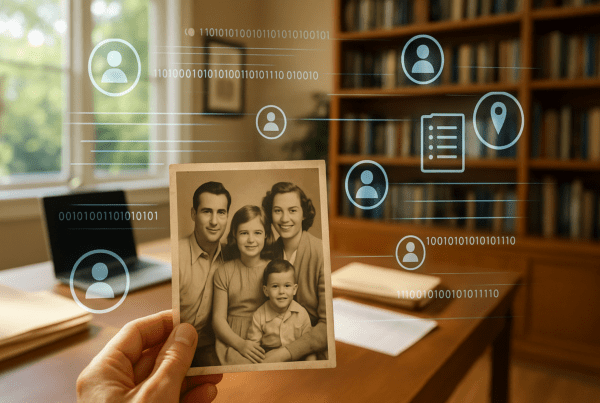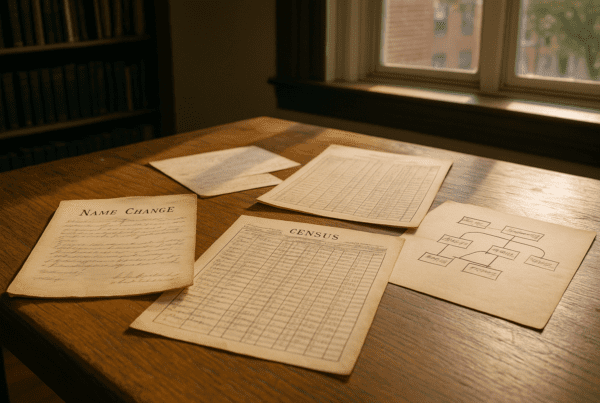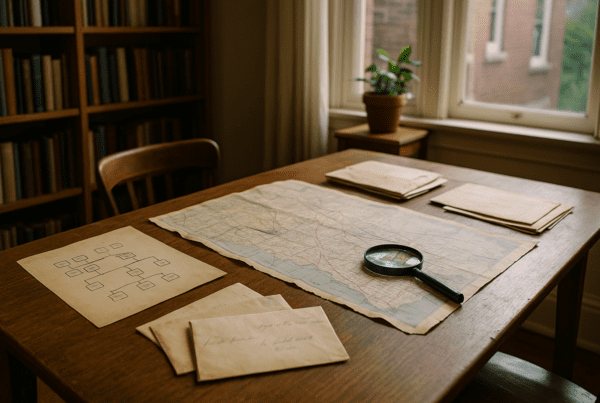
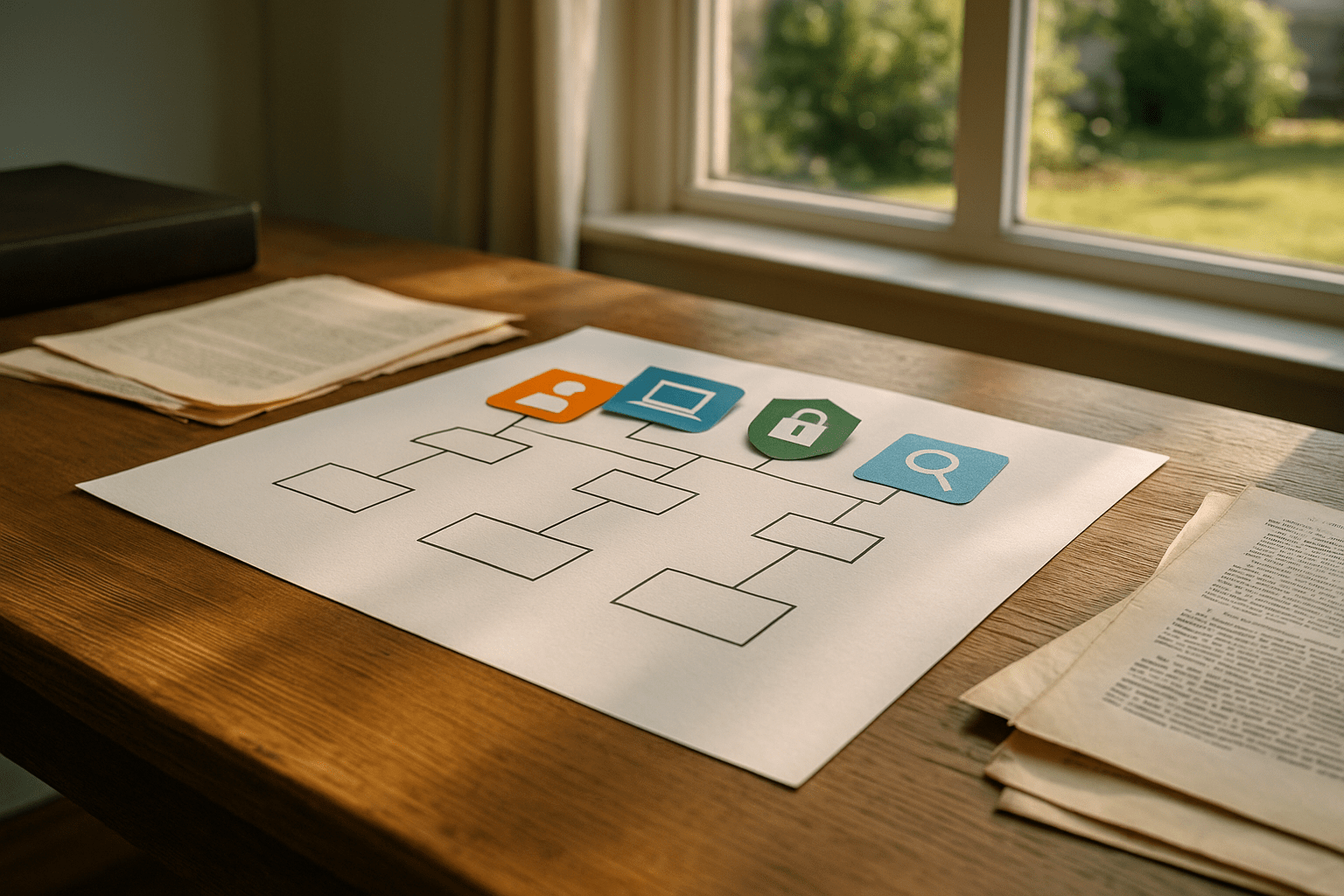
Tracing family history has long involved relying on tangible artifacts like birth certificates, marriage licenses, and oral traditions handed down through generations. These physical records formed the backbone of genealogy, anchored firmly in paper archives and personal recollections. Yet, with the advance of the digital age, a different type of identity marker has quietly taken shape. This is the digital identity, a mix of online footprints, public records available on the internet, and various data points that paint a picture beyond the paper trail. Alongside the familiar genealogy tools, digital identity is influencing how family narratives are formed, updated, and preserved in surprising ways.
The Intersection of Digital Footprints and Ancestry Research
On the surface, digital identity may not seem relevant to family historians. The idea of social media profiles, online mentions, or digital photographs often feels detached from older genealogical pursuits. However, these digital traces create an extended identity landscape that can provide fresh clues or unexpected connections in family research.
Increasingly, public records once locked away in dusty archives are becoming digitized and accessible online. For example, many government portals now host vital records, court documents, and historical archives that can be cross-referenced with ease. Websites that aggregate this data allow researchers to trace familial links quickly, but these conveniences come with their own challenges. The accuracy of data integration and the implications of connecting records require careful scrutiny to avoid errors or misinterpretations.
Beyond formal records, digital platforms host a trove of personal information. A family member27s social media account might reveal relationships, life events, or personal stories absent from official documents. Photos tagged online can confirm connections or highlight forgotten branches of a family tree. Yet, these online glimpses are sometimes curated, partial, or misleading, pressing researchers to weigh what is genuine against what might be constructed or embellished within digital spaces.
How Online Data Can Reshape Family Stories
Traditionally, families have woven their histories through stories passed vocally or scribbled in journals, often leaving gaps filled by memory and interpretation. The growing volume of digital information can help fill those blanks with concrete facts, but it can also unsettle cherished family narratives. When digital records reveal details at odds with oral histories, family researchers face the delicate task of balancing emotional connections with documented truths.
Adding complexity, digital identity encompasses personal choices in self-representation. People often share versions of themselves online that highlight certain aspects while downplaying or omitting others. This selective portrayal means genealogists must be cautious not to over-rely on online images or narratives without further evidence. Understanding the difference between a digital persona and historical reality becomes a necessary skill for those tracing family roots.
Moreover, the dynamic nature of online information means that family stories can evolve as new digital traces emerge. Updates on social media, newly uploaded photos, or even comments can add layers to the narrative that were previously unseen. This fluidity invites genealogists to approach family history not as static but as continually developing.
Considering Privacy and Ethics in the Digital Genealogy Era
The use of digital information for genealogical research raises important ethical questions. Unlike historical paper records, many online footprints belong to living individuals who have control over how their information appears. This raises concerns about consent, privacy, and the boundaries of research.
Genealogists and family historians must navigate these issues thoughtfully. Deciding when and how to share information about recent ancestors or living relatives requires sensitivity and respect. Consulting guidelines from reputable sources such as the National Archives genealogy research page can support ethical practices and help balance the pursuit of history with respect for personal rights.
In addition, some genealogical databases and social media platforms have implemented privacy settings and user controls aimed at protecting individuals. Awareness of these tools and the legal frameworks surrounding data protection is increasingly essential for responsible family historians.
The Potential and Limits of Technology in Family History Preservation
Technology also offers promising advances in preserving family histories. Digital archives and family tree programs enable researchers to build dynamic, accessible genealogies that invite collaboration across generations and locations. This new openness can strengthen family bonds and foster collective memory, though it also requires ongoing attention to accuracy and data security.
Institutions like libraries and museums are increasingly dedicating resources to preserving digital artifacts as part of cultural heritage. The Library of Congress digital collections provide examples of how digital preservation contributes to historical memory, reminding us that digital identity today could be the cornerstone of tomorrow27s family history archives.
It is worth remembering that while technology can enhance accessibility and durability of family records, it cannot replace the human element involved in genealogical research. Interpreting data, understanding context, and respecting family dynamics remain at the heart of the work.
Digital identity in the context of family history is still an unfolding phenomenon. It blurs the boundaries between static paper records and the fluid, evolving online presence of individuals. For family historians, this means adopting a curious yet cautious mindset, embracing new sources without losing sight of their limitations and the complexities they carry.
Resources that explore privacy and digital identity issues, such as the Stay Privy Privacy Hub, offer helpful perspectives on modern genealogical research challenges, ensuring that families approach their histories with awareness and care.
Ultimately, digital identity adds a contemporary dimension to family histories. It opens doors for discovery but insists on respect for the nuances of identity and memory woven across generations.
Sources and Helpful Links
- National Archives genealogy research, an official resource offering guidance on genealogical records and research methods
- Library of Congress digital collections, examples of archiving and preserving digital materials for historical purposes
- Stay Privy Privacy Hub, a site focusing on privacy and data protection issues relevant to identity and genealogical research