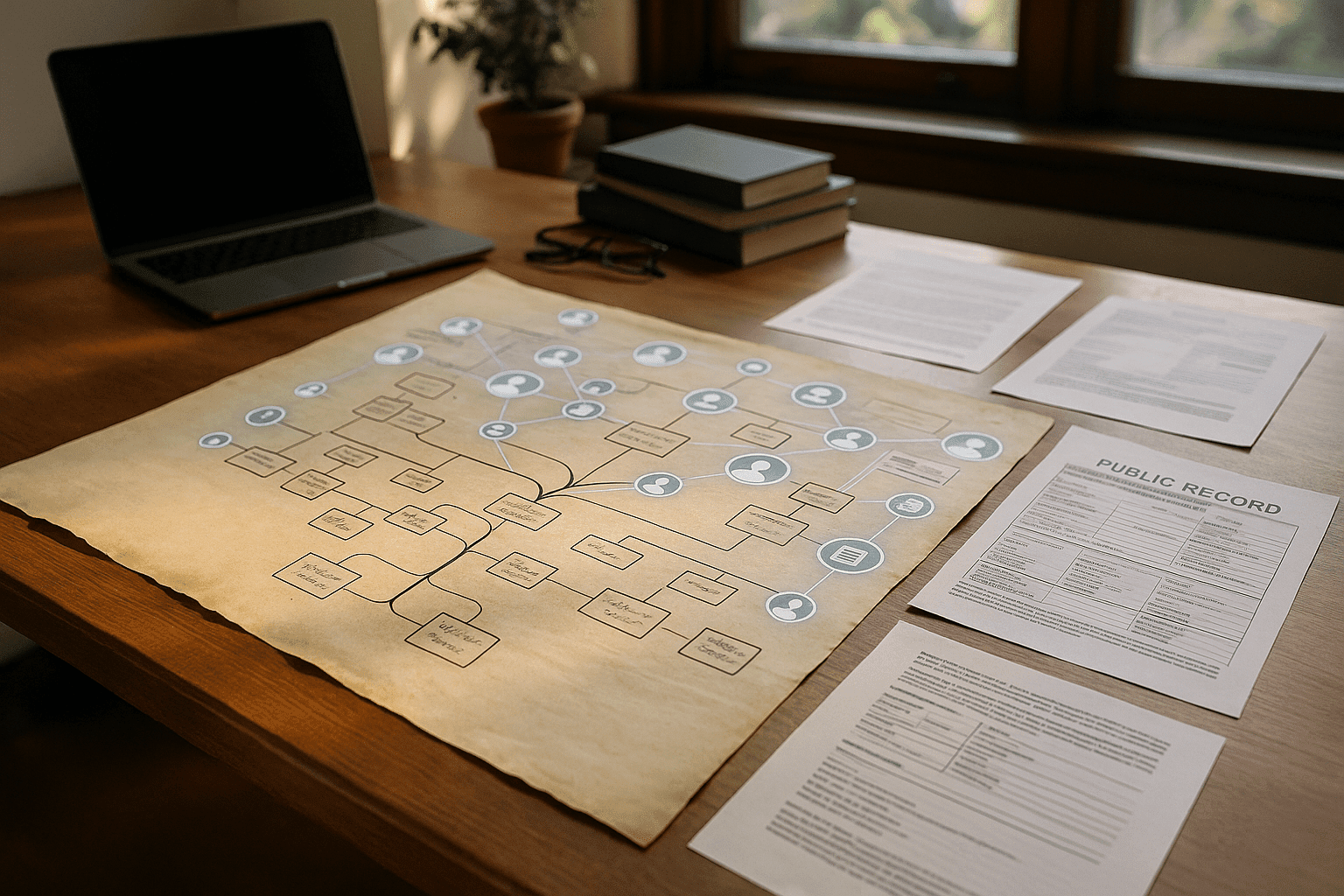
When navigating public records, the web of family connections doesn’t always jump out at first glance. Instead, these connections become visible through a patchwork of evidence such as shared addresses, overlapping legal documents, and relational references that accumulate over time. This layering of data sources forms a mosaic of how families interconnect beyond just names listed on a birth certificate.
Intersecting Trails in Public Data
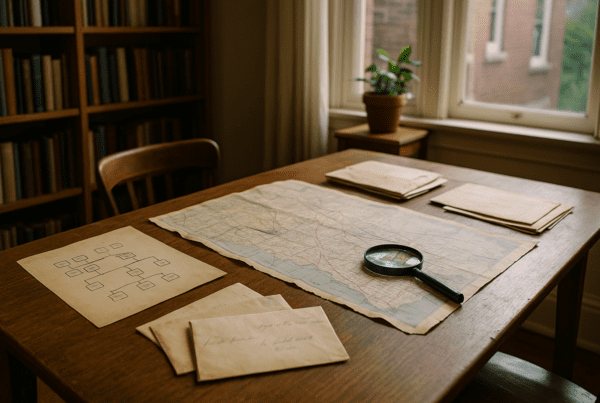
One of the more subtle clues linking family members emerges through address history. Property records, change-of-address notifications, and even voter registration details can reveal periods when relatives shared a household or neighborhood. While these traces often represent the practical aspects of life, they also supply critical context for who might be related or connected simply by proximity over time.
Legal documents like marriage licenses or probate cases can clarify connections that residential data only hints at. A probate record naming heirs or executors often surfaces family lines not otherwise obvious through public directories. Meanwhile, marriage records physically tie individuals together, anchoring relationships in official archives accessible across state or county lines.
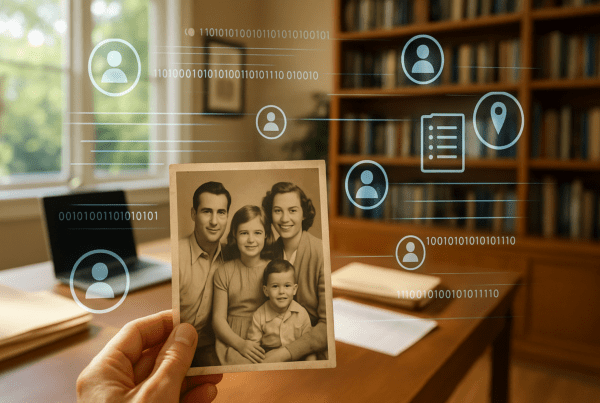
Sometimes, contact details themselves quietly echo family groupings. A publicly listed phone number or email shared by several individuals in various records might indicate a common household or close relationship, even if the nature of that relationship isn’t directly stated.
The Patterns Behind Names and Relationships
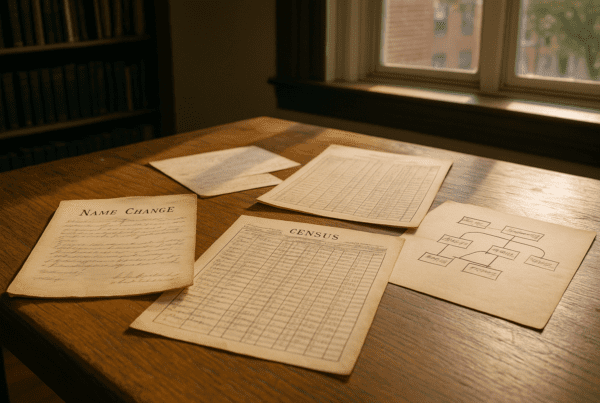
Names appear repeatedly throughout records but identifying familial links requires looking beyond just the shared surname. The interplay of middle names, generational suffixes like Jr. or Sr., and even name variations can hint at direct lineage or branches of a family tree.
Birth records and census data take this a step further by listing family units, ages, and sometimes occupations. When these details align, the likelihood of familial connection increases, allowing for a natural construction of family groupings over time. This is especially valuable in multi-generational research where traditional records may be incomplete or sparse.
However, such details demand careful interpretation. Common surnames or coincidental name matches do not guarantee a connection, and geographic or temporal proximity does not always equate to family ties. Cross-referencing multiple records remains essential to build confidence in identified relationships.
Challenges and Nuances in Family Record Linkages
Public records are far from flawless or uniform in how they handle family information. Variations in record-keeping practices, privacy laws, and digitization quality can fragment the data landscape. These issues often lead to gaps or conflicting details that complicate building accurate family narratives.
For instance, early census records might miss stepfamilies or nontraditional households, while modern privacy restrictions sometimes limit access to certain vital records in recent decades. Furthermore, transcription errors or changes in legal names over time may mask connections that existed but left faint digital footprints.
Still, the layering of various publicly available sources-from court documents to property records and beyond-can help overcome individual gaps. By piecing together seemingly unrelated documents, researchers often reconstruct a fuller picture of family dynamics and history.
Legal and Ethical Considerations in Uncovering Family Links
As family information in public records becomes more accessible online, questions arise around how this data should be used and shared. While public records exist to serve transparency and legal requirements, sensitivity around personal identities means that ethical use of such data requires respect for privacy and context.
Searching for family in these records is generally done for well-intended purposes like genealogy or reconnecting with relatives. However, it is critical to differentiate between public availability and appropriate use. Laws governing data collection and disclosure continue to evolve, reflecting societal views on personal information and consent.
This evolving landscape encourages a cautious and responsible approach. Those exploring family ties through public data benefit from understanding both the technical records and the social realities they represent.
A Living Record of Family Life Reflected in Public Data
Ultimately, public records offer a unique vantage point into the layers of family connections that shape identity. The data often reflects life events marked by official documentation, leaving behind a trail that, when linked thoughtfully, can tell stories of ancestry, migration, and shared experience.
This process is rarely straightforward, yet it is enriched by the ongoing interplay of data, human experience, and the records created along the way. In tracing family ties through public records, the narrative unfolds as a blend of facts, interpretations, and the subtle clues that persist quietly in official documents.
Exploring these connections is a reminder of how intertwined personal histories are with public data resources, highlighting the ongoing dialogue between individual lives and the broader records that chronicle them.
For those interested in genealogy or verifying family relationships, resources like the National Archives and state vital records offices provide foundational access points. Online platforms specializing in public records aggregation also offer bridges across multiple data types, helping to visualize and confirm familial links over time.
While technology and digitization continue to expand access, the heart of this work remains human-centered interpretation, piecing together disparate clues into coherent stories of family identity.
Observing these patterns in public records offers more than mere data retrieval; it reveals the rhythms of life as families form, evolve, and connect through documented moments preserved for public view.
In this way, the public record becomes a shared heritage resource, blending the administrative with the personal, and giving shape to the complex tapestry of family relationships.
Discovering how family linkages appear through these layers of records teaches patience and attention, traits valuable both in research and understanding the lived reality beneath the formal data.
The journey through these records often mirrors the family stories themselves – complex, sometimes fragmented, but ultimately revealing in their persistent continuity.
As familiarity with public data grows, so does the capacity to appreciate the nuanced ways family life leaves marks in unexpected places, waiting to be observed and connected.
These glimpses through the lens of public records enrich our understanding of family, heritage, and identity’s weave across time and documents.
Whether for genealogical research, personal curiosity, or legal verification, the unfolding connections traced through public records remain a vital piece of how we understand ourselves and one another.
Watching these patterns emerge also invites a mindful approach, balancing the value of knowledge with respect for privacy, acknowledging the human stories encapsulated within the data.
In this ongoing exploration, public records stand as landmarks, marking life’s milestones and the invisible ties that link us across generations.
Though imperfect and sometimes elusive, the records offer a map to family journeys that reach into the past and continue shaping the present.
The narrative they craft is one of discovery, reflection, and the humanity behind every name, address, and legal record brought together by curious and careful eyes.
This is the quietly unfolding story visible to those who look beyond the lines of data to the lived connections beneath.
It is in this space between facts and family that public records hold their most enduring value.
And that value is revealed one linkage at a time, a testament to the enduring presence of family in public memory.
It reminds us that behind every record is a person, and behind every person a story.
By understanding how these stories intersect through data, we glean insights into the fabric of family and identity as captured in the public record landscape.
Paying attention to these linkages encourages a deeper respect for the complexity and continuity of family life preserved not just in memory, but in the ever-growing archives of public documentation.
Tracking family connections through public records is as much about appreciating human relationships as it is about navigating data systems.
The evolving availability of records provides new opportunities to see these connections more clearly, even as it challenges us to engage thoughtfully with the information we find.
This delicate balance between discovery and discretion defines much of the modern experience with public data, especially when it relates to family and genealogy.
Each record is a piece of the puzzle, and each linkage a step closer to understanding the full picture of our shared human heritage.
This ongoing dialogue between individual stories and public archives invites both patience and curiosity, two qualities essential for anyone exploring family connections through public data.
With that perspective, public records become more than static files. They become living documents reflecting the layered, interconnected nature of family life across time and place.
It is this living record that guides many on their search through history, identity, and belonging.
And it mirrors, in data and detail, the complex reality of family itself.
Each insight gained through public record linkages enriches our understanding of who we are and supports the human need to connect past with present.
This bridge between data and personal history is ultimately what makes the exploration of family through public records both challenging and profoundly rewarding.
With every thread found, the tapestry of family grows more vivid.
And so the journey continues, fueled by the promise held within public data: that family, however complex or hidden, leaves a mark for those willing to seek it out.
Resources like the National Archives genealogy section and state government vital records portals provide starting points for this work, linking users to core documents often crucial for tracing family relationships. At the same time, sites that compile diverse public records, like PersonLookup, help draw connections across data types, revealing relational patterns that might otherwise remain buried.
Ultimately, this work demands a blend of technology, patience, and a keen eye for detail-the qualities that turn public data from scattered facts into meaningful stories of family life and connection.
Sources and Helpful Links
- National Archives genealogy section, a comprehensive resource for historical family records and federal archive access
- CDC Wonder Vital Records, official access to birth and death certificate information
- California Courts Vital Records, guidance on obtaining state-level family related records and documents
- PersonLookup, a multi-source people search platform linking public records and contact data