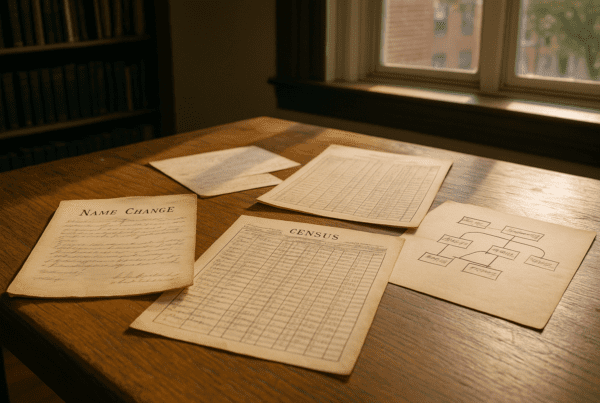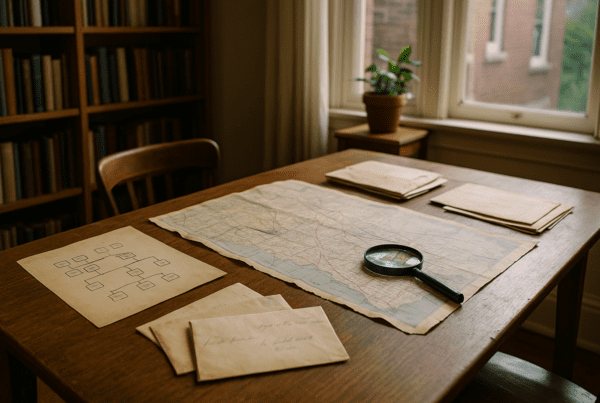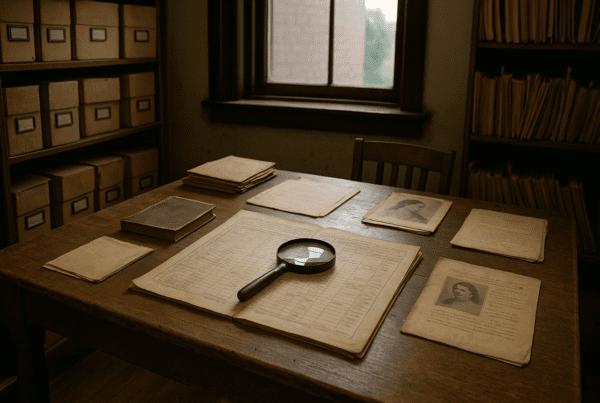
Family history research has long relied on classic public records such as birth, marriage, and death certificates alongside census data. These foundational documents provide the basic framework for genealogical pursuits by offering essential facts like names, dates, relationships, and locations that help to weave the stories of ancestors. Lately, though, an expanding range of public data sources beyond the usual paperwork has begun to reshape how family histories are pieced together.
Brushing Against Unexpected Records
For many genealogists, newer information streams come from sources that once seemed peripheral or unrelated to family research. Digital court cases, property deeds, tax records, and corporate registrations now provide windows into ancestors’ economic activities, legal entanglements, and entrepreneurial efforts. These documents can reveal dimensions of a person’s life, from disputes fought in local courts to assets accumulated or lost, which traditional records tend to overlook.
On a different front, records born in the internet age-social media archives, online white pages, and publicly available contact directories-offer surprising opportunities to track connections through recent generations. These digital footprints bridge past and present, filling holes left by incomplete historical archives and sometimes uncovering relatives previously unknown within family lore.
Navigating The Hazards Of Mixing Record Types
The inclusion of unconventional public data into genealogies brings its own set of complexities. Records detailing legal or financial matters may reflect biased accounts, clerical errors, or incomplete information. Access and use of such data also intersect with privacy considerations, notably when tracing figures from recent decades or living relatives. This demands a careful weighing of evidence and cross-checking against established sources to maintain accuracy and integrity.
Another challenge comes from the scattered and inconsistent nature of these records. Different jurisdictions organize and digitize their data with varying standards and levels of accessibility. A researcher might find valuable clues in one county’s tax archives but face dead ends in another’s online portal, making comprehensive searches labor intensive and prone to mistaken matches if not diligently verified.
Layering Social Realities Into Ancestral Stories
One of the more profound effects of embracing diverse public records is the ability to place ancestors within richer social environments. Documents such as school enrollment registers, military service files, and voter lists reveal aspects of civic participation and mobility that fill in gaps traditional genealogical charts tend to flatten. These snippets hint at where an ancestor lived during different life phases, their educational background, and roles played in local or national events.
Understanding family stories enriched by these layers encourages a more vivid view of the past. Instead of bare lines connecting births and deaths, researchers glimpse motivations that may have driven moves between towns or career changes, perhaps influenced by social upheaval, economic pressures, or community ties. This kind of context makes genealogical work feel more human and connected.
Technology Bringing Pieces Together
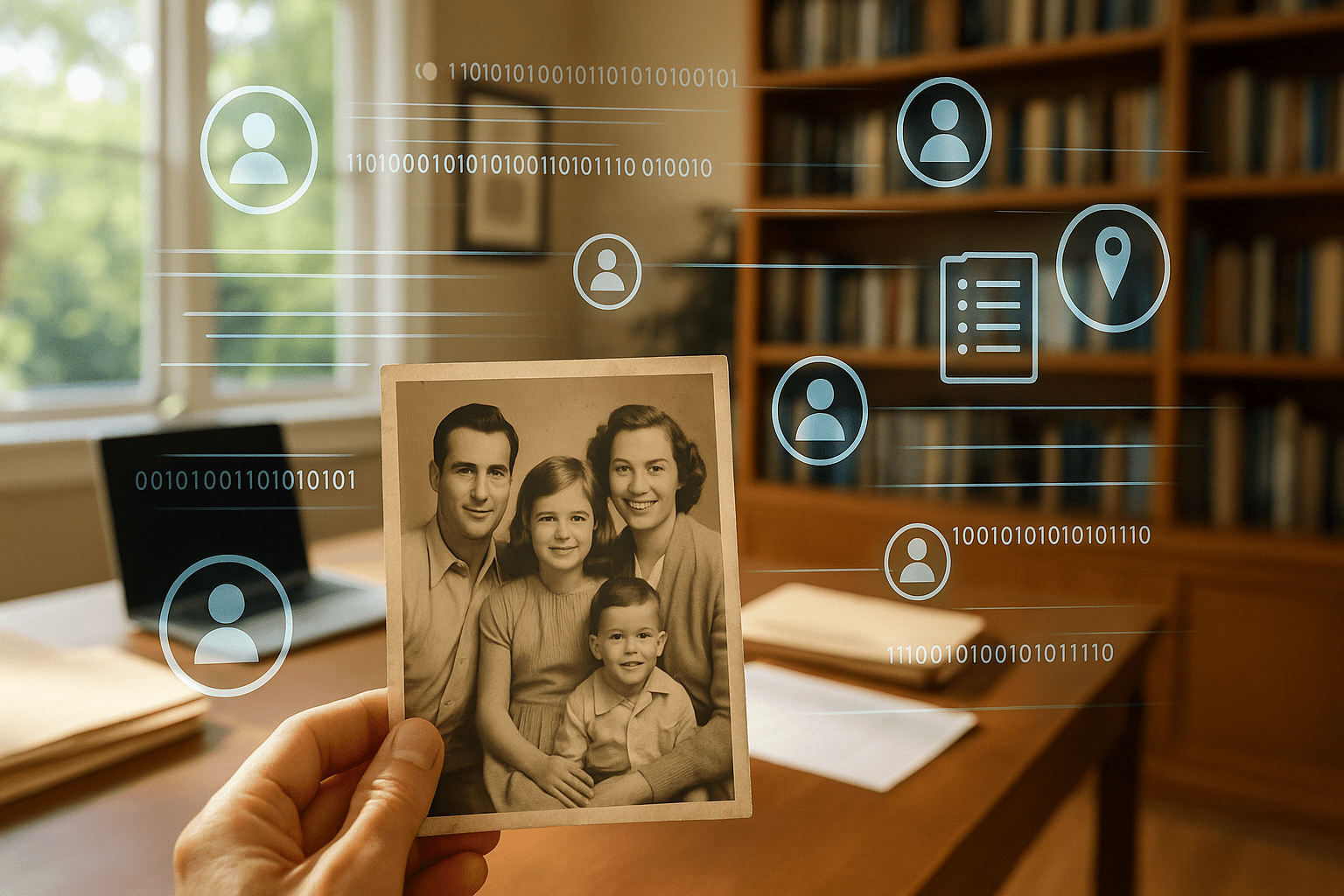
The rise of digital genealogy platforms and people search services has accelerated the melding of traditional and nontraditional data types. Software today often blends these sources, aiming to create seamless narratives that draw connections between scattered records. This approach attracts a wider range of family historians who want to move beyond dusty archives and paper documents toward interactive, multi-dimensional family explorations.
The trade-off comes with the need for critical appraisal. Automated matches and identity linkages introduced by these technologies can reveal unexpected familial relationships, yet such results are not error-proof. Careful human oversight remains crucial to ensure that connections made across datasets reflect genuine links rather than coincidental or mistaken similarities.
Ethics And Privacy In A Data-Rich World
As genealogists reach into ever more diverse pools of data, ethical questions arise about privacy and the responsible use of personal information. Some public records include sensitive details that might affect living individuals or reveal information unintended for widespread dissemination. Deciding how to integrate these parts of family histories requires thoughtful boundaries respecting both historical inquiry and people’s rights to confidentiality.
Legal frameworks governing access to public data vary regionally and continue to evolve with debates over digital privacy. Genealogy researchers find themselves balancing their curiosity with a duty to understand these limits and act within them, especially when using data from data brokers or contemporary digital platforms.
Ultimately, the expanding integration of nontraditional public data enriches the art and science of family history research. It moves the field from compiling names and dates toward uncovering multifaceted stories shaped by economic activity, social engagement, and personal journeys. This trend mirrors broader societal shifts where identities are increasingly constructed from a patchwork of digital and analog traces across time.
Genealogists stepping into this landscape discover a terrain more colorful but also more complex. Success depends on cultivating curiosity alongside a critical mindset that values evidence and recognizes the limits imposed by data quality and privacy. In embracing these new tools and sources, family history research remains a dynamic conversation between past and present, forever evolving.
Those interested in exploring this evolving field might consult resources such as The U.S. National Archives and FamilySearch, well-known repositories bridging standard genealogical records with digitized collections. For guidance on navigating privacy and ethical concerns, Privacy Rights Clearinghouse provides thoughtful perspectives relevant to family researchers working in this complex space.
Genealogy’s path forward embraces the mosaic of data available today, offering new ways to understand ancestors not just as names on a chart but as people shaped by their social and economic worlds.
Sources and Helpful Links
- The U.S. National Archives – A gateway to official public records useful in genealogy research.
- FamilySearch – Provides access to vast traditional and digital genealogical record collections.
- Privacy Rights Clearinghouse – Offers guidance on privacy and responsible use of public data.