The Tangled Web of Family Histories
Tracing family roots has always been a blend of patience and discovery. But over the years, public records have gradually reshaped the way people approach genealogy. Instead of relying solely on stories passed through generations or fragmented notes, researchers can now dive into a wealth of official documents that reveal names, places, and events otherwise lost to time. It’s like piecing together a vast, human puzzle that stretches across decades and sometimes centuries.
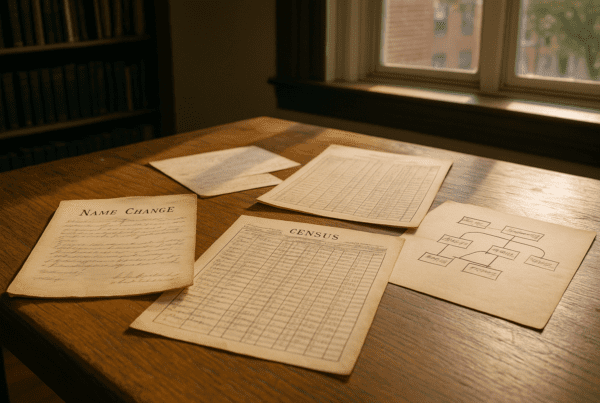
Census records emerge as one compelling source. They capture snapshots of households every ten years, shedding light on family composition, occupations, and movements. Among genealogists, census data often serve as starting points because they portray living situations and hint at community ties. This information helps fill gaps when family lore becomes murky or silent.
Vital Records and the Stories Behind Them
Birth certificates, marriage licenses, and death records carry more weight than mere dates and signatures. They encapsulate moments that mark the flow of a family’s story. For example, discovering a marriage license from a century ago can lead to understanding shifts in family size or migrations prompted by marriage. Meanwhile, death certificates sometimes reveal causes of death or parents’ names, details precious for tracing lineage or medical history. Their official nature ensures these records hold credibility that oral histories might lack.
These documents are often housed in government archives or local courthouses, meaning accessibility varies by location. Thanks to digitization efforts in recent decades, however, many vital records have become searchable online, making them more accessible without traveling to distant places.
Property Records and Unseen Connections
One less obvious but increasingly valuable resource comes through property and land records. They may appear dry at first glance. Still, they reveal insights about ancestral homes, economic status, and family relationships. Deeds often list sellers and buyers, sometimes family members transferring property within a household. This can clarify familial bonds when names conflict or vanish from censuses.
Tracking land ownership across generations illustrates patterns of wealth accumulation or loss, suggesting shifts in social standing. Genealogists sometimes reconstruct decades of an ancestor’s life simply by following changes in property holdings.
Military Records and Their Unexpected Riches
Military archives offer an additional layer of context for genealogy enthusiasts, showing service history and sometimes even medical records or pension applications. These documents reveal personal stories intertwined with larger historical events. For individuals with ancestors who served in wars or enlisted forces, such records provide a perspective beyond the family circle, connecting private lives to national narratives.
Histories of enlistment, promotions, and battles fought compose a biographical sketch that enriches understanding of an ancestor’s experiences and challenges faced outside the home. In some cases, military files even hint at locations unknown to family traditions, guiding further investigation.
When Public Records Bring Surprises
Public records do not always confirm expectations; in fact, they can sometimes introduce surprising discoveries. An unrecorded name, a different birthdate, or additional family branches may emerge, rewriting the known story. These uncertainties prompt a necessary caution – the completeness and accuracy of public records vary across time and regions.
Researchers learn that not every gap signals a mistake or loss, but instead reflects how records were kept or who was included. Marginalized communities, transient populations, or periods of conflict often result in incomplete archives. Awareness of these limitations keeps genealogists grounded while maintaining curiosity.
Additionally, linking records demands careful attention. Different spellings, transcription errors, or name changes complicate straightforward matches. Modern tools often assist in comparing records, but no system replaces the interpretive eye of a seasoned genealogist sorting fact from noise.
The Digital Turn in Family Genealogy
The internet has transformed access to public records substantially. Platforms dedicated to genealogy aggregate multiple sources, providing searchable indexes that speed up connections. This accessibility encourages widespread participation in family history research beyond professionals or institutional historians.
Some sites also incorporate user-added content, mixing documented records with family trees compiled by individuals. While this can generate new leads, it requires vigilance regarding accuracy and source verification. Public records within these ecosystems function as anchor points amid an ocean of data contributed by volunteers or enthusiasts.
Another key point is privacy and ethical consideration. Not all information is publicly available or appropriate to share widely, particularly concerning living individuals. Family genealogists navigate these sensitivities as they balance curiosity with respect for privacy.
The Quiet Influence of Public Records on Family Insights
What emerges overall is a picture of public records serving more than archival roles. They act as connectors – weaving together disparate threads of identity, migration, and belonging. Each document, no matter how small, contributes to a fuller understanding of who ancestors were in their communities and eras.
This subtle but persistent influence changes family genealogy from memorably anecdotal to rigorously tethered in evidence. It helps individuals find lost or forgotten relatives, uncover hidden histories, and appreciate the complexities of heritage shaped by public documentation practices. Ultimately, public records reveal family stories not just as tales but as tangible chronicles recorded through decades of human lives intersecting with bureaucracy.
For genealogists, the journey through public records invites continual reflection on the nature of memory and identity. It dispels myths that genealogical truths are self-evident and instead reveals the layered process of discovery and interpretation. This ongoing process enriches personal and communal history, connecting people today with past generations through thoughtfully assembled pieces of public record evidence.
In a world increasingly digitized and data-rich, public records stand as enduring monuments to the past, quietly informing new family genealogy discoveries and promising more revelations ahead.
For further exploration on how public and vital records contribute to genealogy, resources such as the National Archives provide comprehensive insight into available datasets and research techniques. Additionally, sites like FamilySearch offer practical gateways to accessing many records in combined databases, helping users navigate the vast landscape of genealogical documentation.
National Archives Genealogy Resources grant detailed guidance on accessing various federal records relevant to family history.
FamilySearch presents a broad and free platform for searching vital and other public records worldwide.
Library of Congress Census Records explains the significance and scope of census data available across the United States.
USGenWeb Project supports free genealogy websites covering state and county records, helping bridge local histories with public archives.
Sources and Helpful Links
National Archives comprehensive guidance for accessing genealogical federal records
FamilySearch free worldwide genealogy database with numerous public records
Library of Congress detailed information on census records and their value
USGenWeb Project volunteer-supported local genealogy and public record access