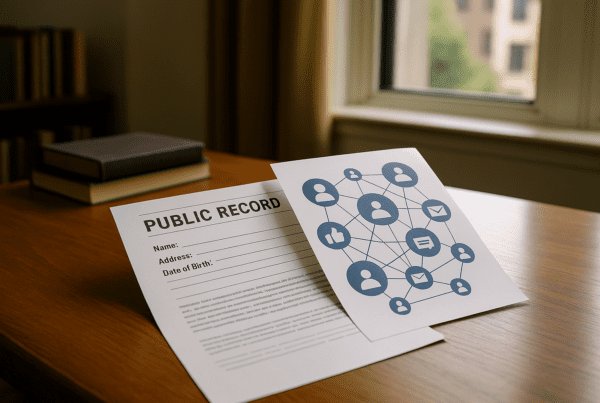
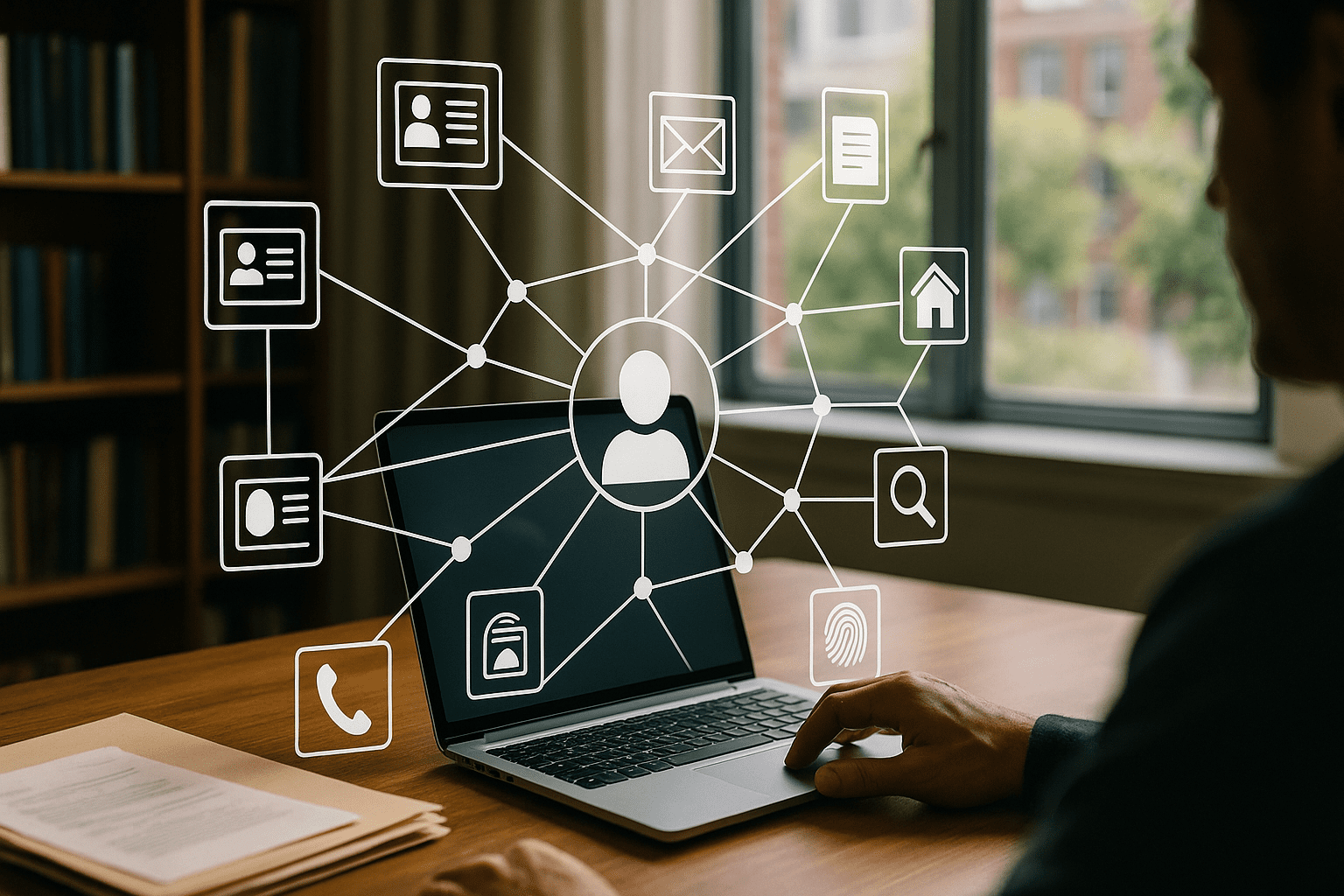
At the intersection of privacy and practicality, digital identity verification keeps expanding, becoming more intricate over time. One observable progression is the embrace of identity fusion techniques – the process of combining various forms of identity data into a cohesive and more reliable snapshot of an individual. Unlike traditional verification methods that often rely on a single document or data point, identity fusion blends multiple signals such as biometric identifiers, contact histories, public records, and behavioral patterns.
More than Just Matching: A Layered Approach to Identity
Anyone who has ever tried to verify a person’s identity online knows the frustrations of relying on a single piece of information. A driver’s license might be outdated. A phone number could belong to someone else now. This is where identity fusion takes a more nuanced stance. It gathers layers of data that, when viewed collectively, present a fuller picture. For example, a verification workflow might start with document scanning but then check that data against various public records, social profiles, and even previous address histories.
This layered approach acknowledges the fluid, living nature of identity. People move, change names, switch phone numbers, and their behavior moves through digital footprints that evolve over time. Identity fusion lets verification systems stay more attuned to these shifts. It does so while maintaining connections across different data types and sources, which improves the overall confidence level in confirming who someone is.
Public Records and Contextual Signals Joining Forces
Public records often serve as a cornerstone for identity verification, lending official and historical context. Combining these with more dynamic contact data or usage patterns feels close to what happens organically in offline world identification. For instance, credential checks pull from government databases, but merging that with social ties uncovered through people search methods reveals stronger identity signals.
Even subtle address history details can unlock useful context. A verification system that notices a previously unknown address from several years ago matches with someone’s digital footprint gains a clearer understanding of that person’s background. This multi-faceted approach, including data such as life events, affiliations, and relationships, makes it harder to mask or fabricate identity details without triggering inconsistencies.
The Challenge of Balancing Privacy with Verification Accuracy
One constant tension in deploying fused identity data is how to handle privacy. Collecting multiple data streams naturally raises questions about consent, data protection, and user control. Verification providers must walk a fine line, orchestrating sophisticated data combinations without crossing privacy lines that could lead to misuse or breaches.
Regulatory frameworks like GDPR and CCPA have pushed many companies to design systems that limit data exposure and respect user rights. This often means that the fusion process involves strict access controls, anonymization where possible, and transparent user notice. Verification workflows today that most effectively combine identity data are those that integrate these privacy norms as a baseline; the sophistication resides in the backend process rather than exposing all data externally.
A Glimpse at Techniques Powering Identity Fusion
The backbone of identity fusion often involves machine learning models trained on diverse data sets, able to correlate disparate signals with a level of nuance human review might miss. Probabilistic matching techniques weigh data points based on reliability or recency, allowing verification engines to assign confidence scores rather than simple pass/fail markers.
Biometric data fusion also figures prominently, combining facial recognition results with fingerprint or voice identifiers to add an additional trust layer. This multi-modal biometric approach makes spoofing or fraud more difficult. Together with link analysis methods that explore relational connections between individuals through shared contacts or address links, the results often produce a more trustworthy verification conclusion.
Beyond the technical underpinnings, there is a growing recognition that the human element remains critical. Verification professionals often review automation outcomes, especially in edge cases or high-risk scenarios, ensuring the synthesis of information is grounded in real-world logic rather than purely algorithmic judgment.
Identity Fusion as a Reflection of Real-Life Complexity
The movement toward identity fusion techniques seems like a natural response to how identities exist in real life – not frozen in a single document or static moment but layered, dynamic, and interconnected. These methods reflect an understanding that verifying identity in the digital era requires more than checking boxes; it calls for interpreting patterns, signals, and context.
This doesn’t erase the challenges. Data quality issues, potential gaps in records, and the continuous evolution of privacy expectations all make identity fusion an ongoing balancing act rather than a final solution. However, those working in digital identity verification increasingly see fusion as an essential part of the broader effort to keep pace with complexity and offer users and businesses better outcomes around trust and safety.
As this trend continues, it invites further reflection on how identity systems might evolve, not only technically but culturally, as societies grapple with data privacy, identity fluidity, and the right mix of automation and human insight.
For those interested in exploring more about how public data and identity verification techniques intertwine, resources such as the National Institute of Standards and Technology’s digital identity framework provide foundational insights, while platforms like ConsumerReports and the Identity Theft Resource Center offer perspectives on privacy and security that shape verification practices.
Ultimately, identity fusion reminds us that identity is not a singular fact but rather a collection of traces that, when thoughtfully combined, can tell a trustworthy story.
Sources and Helpful Links
- NIST Digital Identity Framework – A cornerstone document outlining standards for digital identity management and verification.
- Identity Theft Resource Center – A nonprofit organization providing education and resources on identity theft and protection.
- Consumer Reports Privacy Resources – Guides and explanations on privacy and data security for consumers navigating digital identity issues.