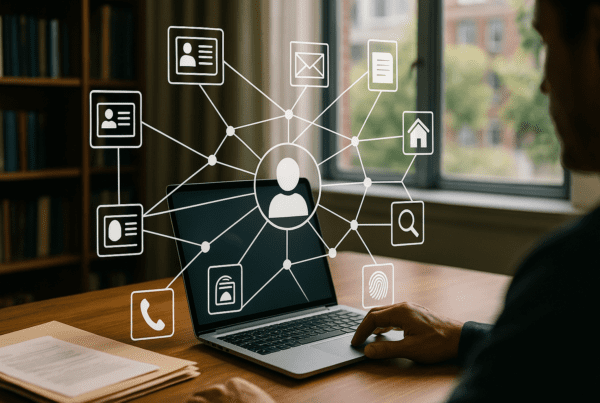
In an age where information is scattered across countless public data sources, the process of linking identities has become a subtle, complex endeavor. A person is no longer defined by one name or one location but by a tapestry of records, addresses, phone numbers, and digital traces that interact in ways often harder to predict than they seem.
A patchwork of signals that rarely align perfectly
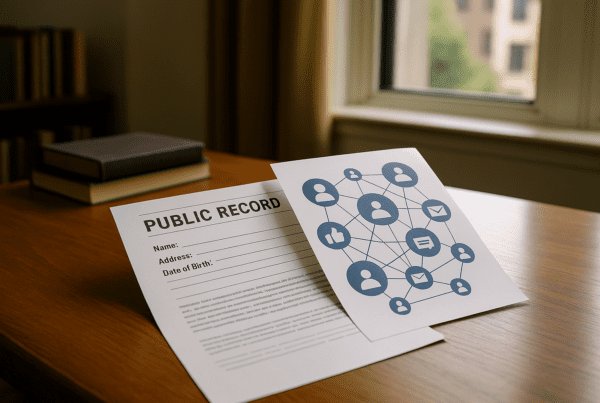
Consider the typical public record landscape: a collection of court documents, property transactions, professional licenses, social media profiles, voter registrations, and more. Each of these sources carries bits of identifying information, but they often speak different dialects of identity. For example, one record might use a person’s full legal name while another prefers a nickname or initials. Dates of birth could be precise in one database and approximated or missing in another.
These inconsistencies mean that the act of tying records together is more an art informed by data science than a simple database query. It involves matching patterns that feel familiar rather than certain, using statistical weights assigned to shared details like addresses or phone numbers. A street address may change over time, or a person could have multiple concurrent residences for work or family, which complicates assumptions about identity linkage.
Such a landscape is well described by experts in identity matching who emphasize the challenge of “record linkage,” a process that tries to deduce whether separate records refer to the same individual even when identifiers are missing or conflicting. While algorithms attempt to do this at scale, human reasoning often fills critical gaps, such as recognizing common name variations or accounting for typographical errors in records.
Patterns in changing and layered identity components
Watching how identity footprints evolve offers insight into how they connect across platforms and documents. Take name changes, for instance, which happen for many reasons-marriage, divorce, professional branding, or personal choice. Public records may or may not promptly update to reflect these alterations, leading to a mosaic where several names belong to one person, but no single data source reveals the full story.
Address histories reveal another dimension. A fluctuating residence over years exposes how location ties cannot be taken as absolute identifiers. Mobility, cohabitation, subletting, and even multiple residences all leave traces in public data that signal complexity rather than simplicity.
Further complexity emerges in contact information. Phone numbers move between carriers and individuals, get recycled by telecom companies, or include temporary virtual numbers. This ephemeral nature makes relying solely on contact data for linkage risky. Yet combined with other attributes, it can tip the balance toward a confident match.
Balancing privacy concerns with practical identification needs
Linking identities across public data naturally raises questions about privacy and what should be shared or connected. Public records exist precisely because of transparency goals, but their aggregation into detailed identity profiles can feel invasive or inaccurate when errors occur.
Legal frameworks such as the General Data Protection Regulation (GDPR) in Europe or the California Consumer Privacy Act (CCPA) attempt to govern what can be collected and how it should be used, but real-world practices vary widely. Services that specialize in people search walk a fine line between providing useful identity verification and respecting individuals’ rights to privacy.
This tension highlights the importance of responsible data handling and transparency about how identities are matched and presented. When the public perceives their data as treated fairly, there is more room for efficient identity validation based on fragmented, multifaceted data. Otherwise, mistrust grows, and the risk of misinformation or mistaken identity increases.
The evolving role of technology in clarifying identity connections
Advanced machine learning techniques continue to improve record linkage accuracy, but the challenge remains immense. Models now incorporate natural language processing to interpret unstructured data fields and cross-reference across sources with increasing subtlety.
Yet machines cannot entirely replace the need for human oversight. Recognizing cultural naming conventions, understanding local address formats, and knowing when to question algorithmic outputs are vital to avoiding mistakes that might affect real people’s reputations or privacy.
Efforts to incorporate decentralized identifiers and blockchain-based identity solutions reflect ongoing experiments to grant individuals more direct control over how their identities are connected and shared. While still nascent, these trends suggest that future public data linkages might become more transparent or subject to consent in ways current systems do not support.
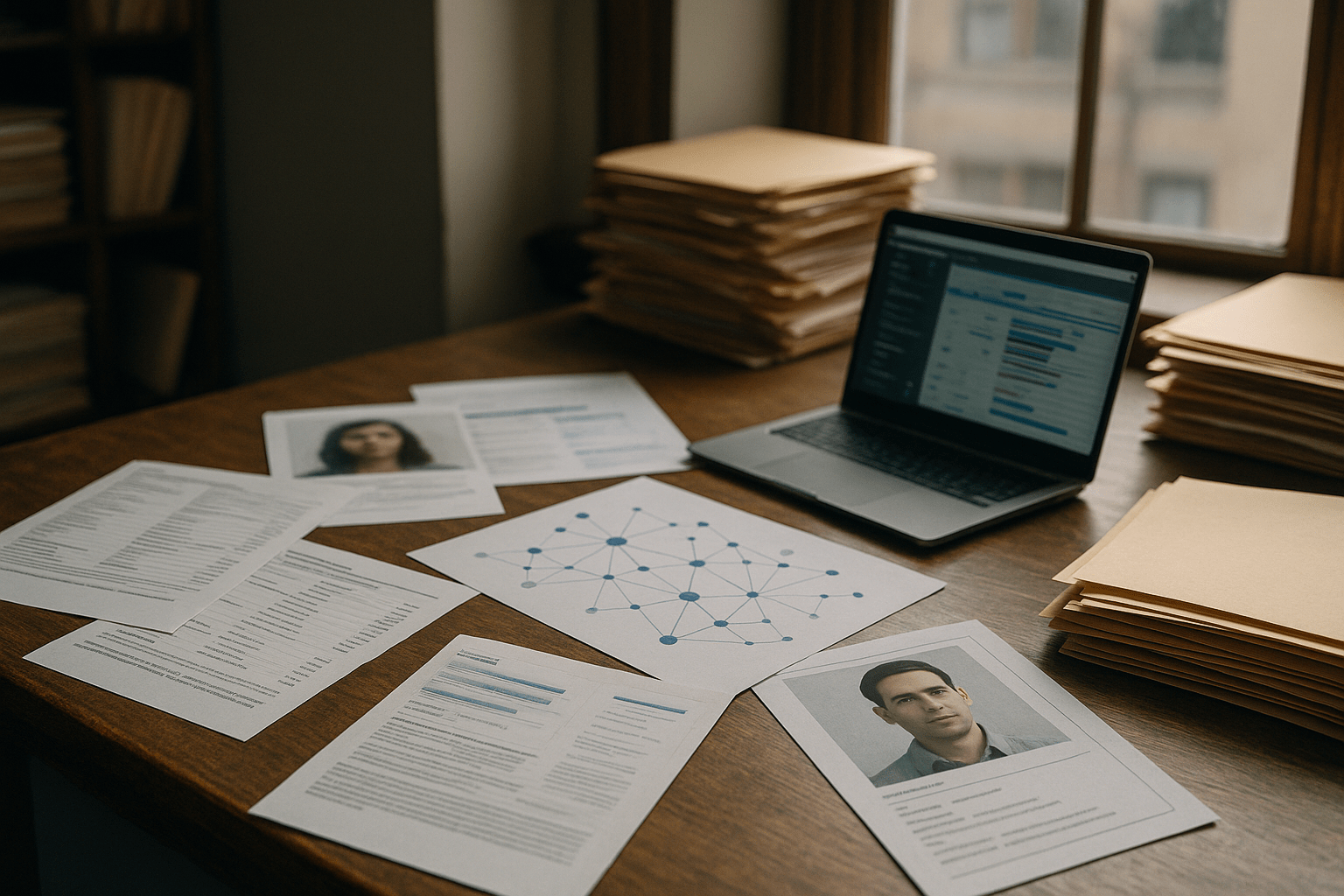
Linking multifaceted identities across public data sources is a task that folds in data inconsistency, privacy debates, technological evolution, and human insight. Each record offers a small window into a broader story, and piecing these windows together depends on understanding the rich, often messy nature of identity itself.
For those exploring people search or public record research, appreciating these nuances leads to more grounded expectations and a greater awareness of the unresolved tensions in how identities are formed, connected, and interpreted in the public domain.
You can explore foundational concepts in record linkage at academic and professional resources such as the RAND Corporation’s report on record linkage and privacy and gain practical perspectives from public record aggregators like PersonZoom.
Regulatory guidance can be found at official sites like the Federal Trade Commission’s privacy and security resources, which help clarify responsible data handling amidst the complexity. Together, these sources help illuminate the delicate balance required when linking digital footprints and public data records to the multifaceted identities behind them.
Understanding this balance is essential in an era when fragmented, overlapping identities populate not just databases but our daily online interactions.
The cost of errors and the value of careful interpretation
One cannot ignore the human consequences that may arise from mislinked identities. When databases conflate two different people or fail to associate records belonging to the same individual, outcomes can vary from mildly inconvenient to seriously damaging. Financial services, background checks, and legal proceedings all rely on accurate identity linkage, and mistakes can lead to wrongful denials, reputational harm, or privacy violations.
These realities emphasize why many professionals advocate for cautious data handling and interpretive care. No algorithm can perfectly capture the full story behind public data, and users of this information bear responsibility for critical scrutiny.
In the end, recognizing the layers and imperfections inherent in digital and public identities may be the most valuable insight for anyone navigating public records. Accepting that identities are rarely singular or perfectly defined encourages an approach that prioritizes clarity, patience, and a willingness to dig deeper when connections seem uncertain.
As the digital world becomes ever more entangled with real-world records, this wisdom will only grow more vital.
Appreciating the human element in data narratives
Beyond numbers, texts, or digital footprints, identities originate from human lives rich with changes, complexities, and stories. The public data landscape mirrors this multidimensionality, providing clues but not straightforward answers.
For those who rely on or curate public data, who search for people or verify identities, honoring this humanity in the data leads to better outcomes. It tempers the urge to rely on quick matches and pushes toward thoughtful interpretation that sees beyond a name or number to the nuanced person amidst the records.
It is in this careful balance between technology, law, and the messiness of real life that the future of public data and digital identity resides.
Each record connected, each identity carefully understood, helps make sense of the wider landscape in which we all live and interact.
Sources and Helpful Links
- RAND Corporation’s record linkage report – An exploration of methodologies and privacy considerations in matching records across databases.
- PersonZoom public records portal – Aggregates and explains public data with an emphasis on clarity and connection.
- Federal Trade Commission privacy resources – Guidelines and advice on handling data responsibly amid privacy challenges.