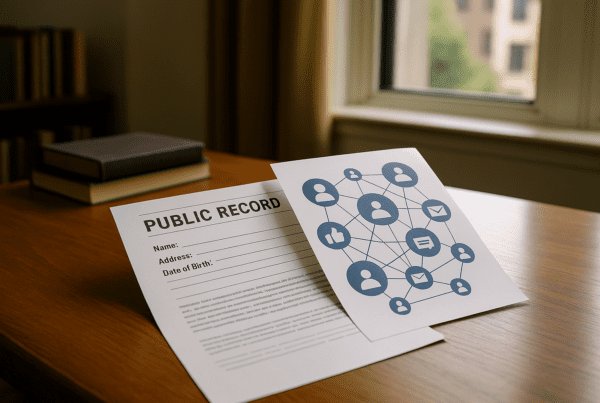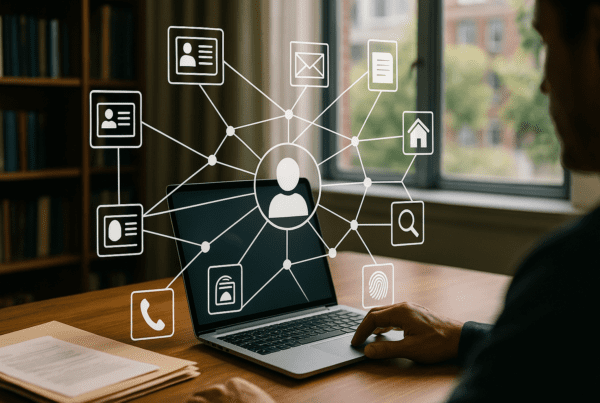
The rise of remote work brings a unique set of dynamics to how people verify identity and establish trustworthiness across distances that were once unusual for most employers. At the heart of this change lies a growing intersection between public records and digital identity. These records, often scattered between government agencies and private databases, underpin many of the digital breadcrumbs that assist remote employers in confirming who they are actually hiring.
How Public Records Inform Digital Identity for Remote Jobs
Public records include a wide gamut of information types, from birth certificates and driver license data to court records and property ownership files. When someone applies for a remote position, especially in roles that require a high level of trust such as financial services or healthcare, employers often cannot verify identity face-to-face as they might in an office setting.
Instead, they rely on digital forms of verification supported by these records. This can mean background checks that correlate data points from various public sources, confirming names, addresses, licenses, or certifications. The complex weaving of data creates what might be described as a digital passport, providing a way to link the intangible aspects of identity with real-world documented evidence.
Alongside this, some platforms and services have begun to integrate direct access to public records to streamline hiring processes. They aim to reduce friction for both employers and candidates by automating identity confirmations, often enhancing accuracy while cutting down on manual paperwork.
The Tension Between Transparency and Privacy
While public records offer verifiable information, their use in the remote work verification process raises critical discussions about privacy. Many people are unaware of the extent to which their public data shapes their digital identity, especially as hiring entities embed these details into automated workflows and decision-making algorithms.
This visibility can be a double-edged sword. On one hand, it provides a form of trust and reliability in a world where physical presence is absent. On the other, it exposes individuals to potential misuse or overreach where data controls lag behind technological capabilities. Workers might feel their lives are under a microscope, with every public record accessible and interpreted in hiring contexts without their full understanding or consent.
Balancing the necessity for accurate verification with respect for individual privacy remains a challenge many firms and technology developers grapple with. The evolving regulations around data usage and transparency frameworks play a pivotal role here, adding another layer of complexity in how these public records can be legally sourced and used.
Patterns Emerging From Real-World Remote Hiring Practices
Observing remote hiring trends, it is clear that reliance on public records varies widely depending on industry, job level, and region. Some companies adopt rigorous background screening powered by public records for senior or sensitive roles, while others emphasize softer factors like video interviews or peer references.
One trend is the rise of digital identity platforms that aggregate multiple sources, including public records, social media, and employment history, into a unified profile. These profiles offer a richer picture but also consolidate vast amounts of personal data in fewer hands, heightening data stewardship responsibilities.
Employers also navigate cultural and legal differences concerning public record accessibility. What is accessible or permissible in one country or state may not be in another, complicating multinational remote hiring. Candidates might appear quite differently depending on where their records originate and how those records are interpreted, revealing the uneven landscape shaped by jurisdictional quirks.
The Human Element in an Increasingly Automated Verification Process
Despite the rise of automated systems utilizing public records, the human side of remote hiring remains essential. Interpreting digital identity information and contextualizing public data calls for experience, discernment, and a cautious approach. Rushing decisions based solely on incomplete public data snapshots can produce errors or unfair biases.
Human reviewers often add layers of nuance by integrating soft signals like communication style, willingness to provide additional documentation, or explanations for irregularities found in public records. These factors increasingly form part of a comprehensive digital identity approach that aims to respect the complexity and variability of real people behind the data points.
In many ways, digital identity in remote employment encapsulates a negotiation between technology’s expanding possibilities and the realities of human complexity. Public records represent valuable signposts, but they are pieces of a broader puzzle requiring contextual understanding, empathy, and constant vigilance.
The continued fusion of these elements suggests that public records will remain a key resource in remote hiring. Yet, their role will likely evolve as privacy norms, legal frameworks, and technologies surrounding digital identity adapt to balance accuracy and respect for individual rights.
As this landscape unfolds, those involved from job seekers to employers will need ongoing awareness about how public data shapes perceptions and decisions, knowing that identity in the remote era is more visible and layered than ever before.
Exploring the detailed connections and implications of public records within remote employment reveals a nuanced story of identity verification that impacts not just employment but broader questions about privacy, trust, and technology in everyday life.
Tracking how these practices mature can offer insights into the ways digital identity and public data usage will continue to influence the workforce and individual privacy in years ahead.
For those interested in the evolving landscape, resources from privacy advocates, government agencies, and people search services offer invaluable perspectives and guidelines.
Understanding this intersection requires constant attentiveness to the shifting tides of data use, human judgment, and the ever-growing digital footprint that frames modern identity.
Sources and Helpful Links
- Federal Trade Commission on Credit Reports, offering information on public data that impacts identity verification processes.
- NIST Digital Identity Program, a government resource on standards and best practices for digital identity management.
- Privacy International, providing insights and advocacy around digital privacy and data rights globally.
- Society for Human Resource Management on Remote Hiring Background Checks, exploring practical approaches in HR using public records.