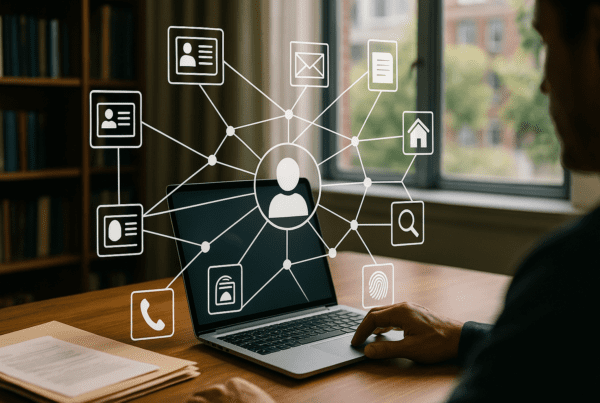
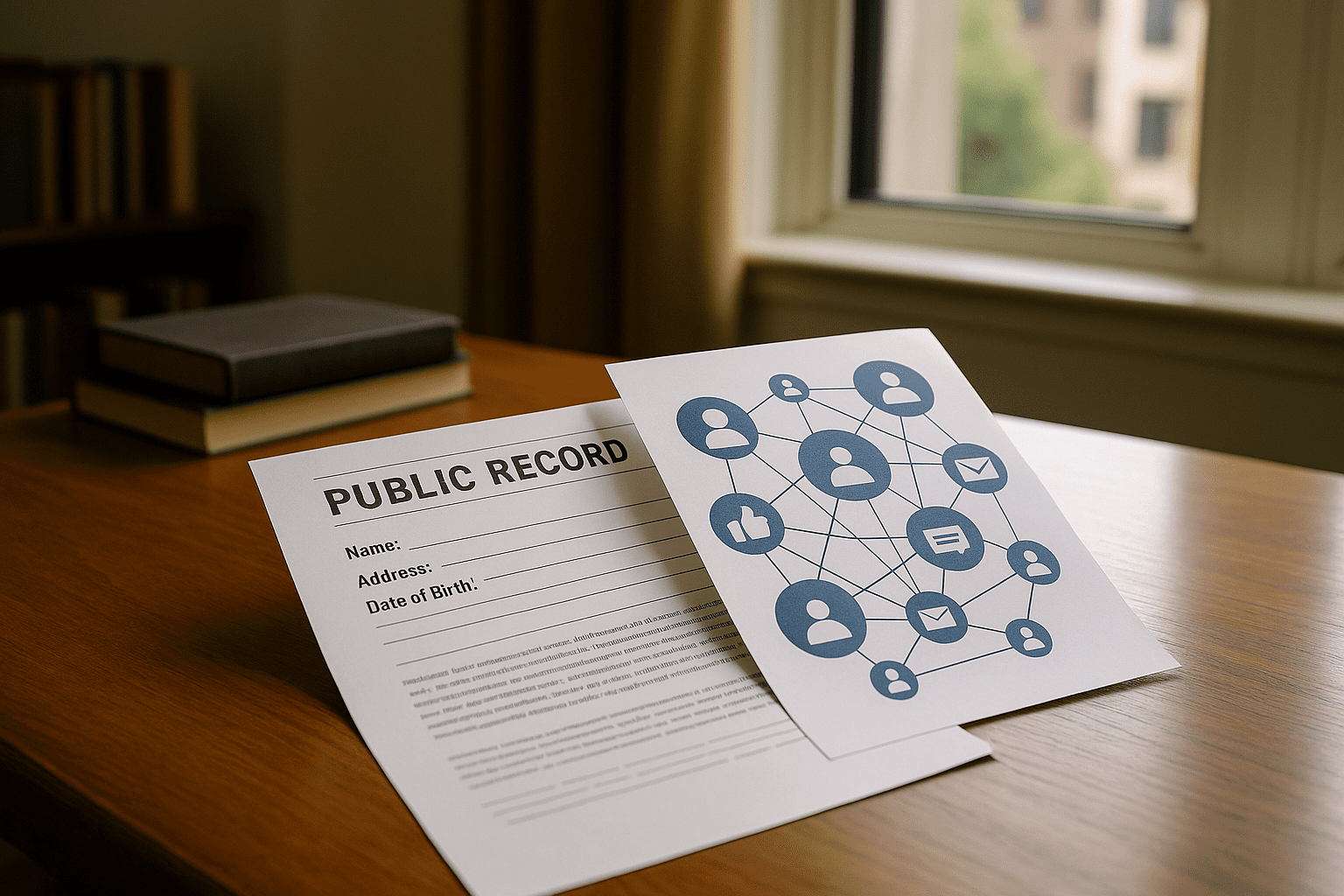
In today’s world where digital footprints seem as telling as physical ones, the way identity is pieced together has grown surprisingly complex. Public records have long served as official anchors of who someone is – birth certificates, property deeds, court filings, and voter registrations all speak to a person’s legal and social footprint. But it is the growing ability to connect these formal records with social data, like online profiles and community interactions, that introduces new subtleties in how identity signals are understood.
Looking Beyond the Basics in Public Data
Public records provide a foundational view, offering snapshots of an individual at moments in time or in specific legal and social contexts. These documents confirm names, addresses, employment history, and familial relationships. However, isolated public records often present identity as a series of static points. The nuances that come from patterns and relationships can be overlooked if the records are taken at face value without considering the broader connections that might be evident.
Consider how address history, a common element in many public records, can be more than just a list of where someone has lived. When linked with social data – for instance, social media check-ins, community groups, or even mailing lists – a fuller picture of social habits, neighborhood involvement, or economic shifts emerges. These patterns provide context that raw public records do not fully capture on their own.
The Role of Social Data in Enriching Public Records
Social data encompasses a wide array of digital traces people leave as they interact online. Profiles, friend networks, communications, and publicly shared content all form parts of this mosaic. When carefully connected with public records, these elements inject life into otherwise sterile data points. The cross-referencing can highlight ongoing relationships, common affiliations, or lead to discovering how an individual presents themselves in different spheres.
A simple example lies in someone’s legal name change recorded in court documents versus their social media presence where a new professional name might be used. Without linking these two, identity signals can seem contradictory or confusing. With integration, discrepancies surface as part of an evolving personal narrative rather than errors.
This interconnected approach is particularly valuable for people searches and identity verification processes. Adding social data layers offers nuance and reduces false matches that could occur if only public records were consulted. It also clarifies cases involving common names or incomplete data, where social context can be the key differentiator.
Patterns and Signals from Connected Data
Identity is rarely about singular facts. It grows from patterns – a habit of relocating between cities, regular participation in community events, or shifts in career path over time. These signals come more clearly into focus when public records are woven together with social data streams.
Take address histories combined with social connections. If someone consistently appears with the same group of contacts over multiple moves, this stable social circle suggests enduring relationships and lends credence to identity matches. Conversely, a sudden jump in associated contacts might hint at new social environments or changes in lifestyle, which may influence how identity is perceived or verified.
A deeper dive into professional license or certification records paired with LinkedIn profiles can also reveal career trajectories that show steady progression or changes not evident from official records alone. This clarity helps when validating credentials, assessing backgrounds, or simply understanding life paths in a more textured way.
What Challenges Arise from Combining These Data Sources?
The advantages of linking public records with social data come alongside several challenges. Privacy concerns are foremost, as mixing datasets without careful governance risks exposing more about someone than either dataset would independently. There is ongoing debate about what combination thresholds cross into intrusion versus legitimate inquiry.
Accuracy is another issue. Social data can be incomplete, outdated, or self-curated with selective presentation. Public records are typically more standardized but still can contain errors or lag behind current realities. The synthesis of these materials needs validation approaches and contextual understanding to avoid misleading conclusions.
Furthermore, legal frameworks vary by jurisdiction and evolve with technological and social norms, affecting what connections are permissible and how data must be handled. Responsible use means aligning practices with current laws and ethical standards, as noted by regulatory bodies on identity verification rules from the Federal Trade Commission.
Looking Ahead: More Than Just Identification
The merging of public records and social data offers more than just improved identification or verification. It holds potential for richer storytelling about individuals as social beings interacting with institutions and communities. Researchers, genealogists, journalists, and others can glean insights about human behavior, migration patterns, and social networks that are often hidden when datasets stand alone.
This broader perspective helps move the concept of identity from a static legal abstract toward a dynamic, lived reality. It underscores that identity is intertwined with interactions, relationships, and context. Of course, moving forward thoughtfully requires respecting boundaries, safeguarding privacy, and maintaining the trust of the people whose data we handle.
People search platforms like PersonZoom embrace this complexity by connecting public records with carefully curated social data sources. They aim to bring clarity without oversimplifying, and to reflect the full range of real-world signals that together paint a clearer picture of who someone is.
Understanding identity through these layered signals means embracing nuance and uncertainty rather than forcing neat categories. It calls for patient interpretation and ongoing observation as new data types and social behaviors emerge. Ultimately, this approach aligns with how people live their lives, connected to many threads at once, arriving at an identity that is deeply human.
For those navigating searches or identity verification, recognizing the value of linked public and social data can reduce confusion and improve outcomes. It shifts the focus from isolated data points to meaningful relationships among information sources, which is where the richness of identity truly resides.
More on this topic can be explored at resources like the Privacy Rights Clearinghouse, which discusses data handling best practices, or the Journal of Computer-Mediated Communication that examines social network dynamics in identity formation.
Ultimately, the blend of public records and social signals is a fertile ground for understanding the complex social realities behind identity data. This evolving approach reflects the nuanced, interconnected world each of us inhabits.
Sources and Helpful Links
- Federal Trade Commission on Identity Theft Red Flags Rule – Regulations addressing identity verification and data use standards.
- Privacy Rights Clearinghouse – Nonprofit providing guidance on privacy protection and data rights.
- Journal of Computer-Mediated Communication – Research on the role of social networks in identity and communication.
- PersonZoom – A people search platform integrating public records and social data for clearer identity insights.