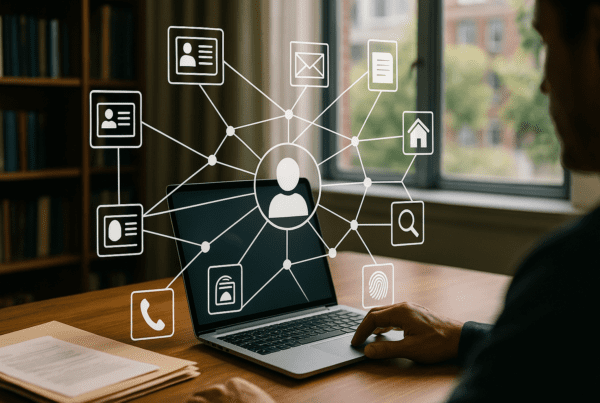
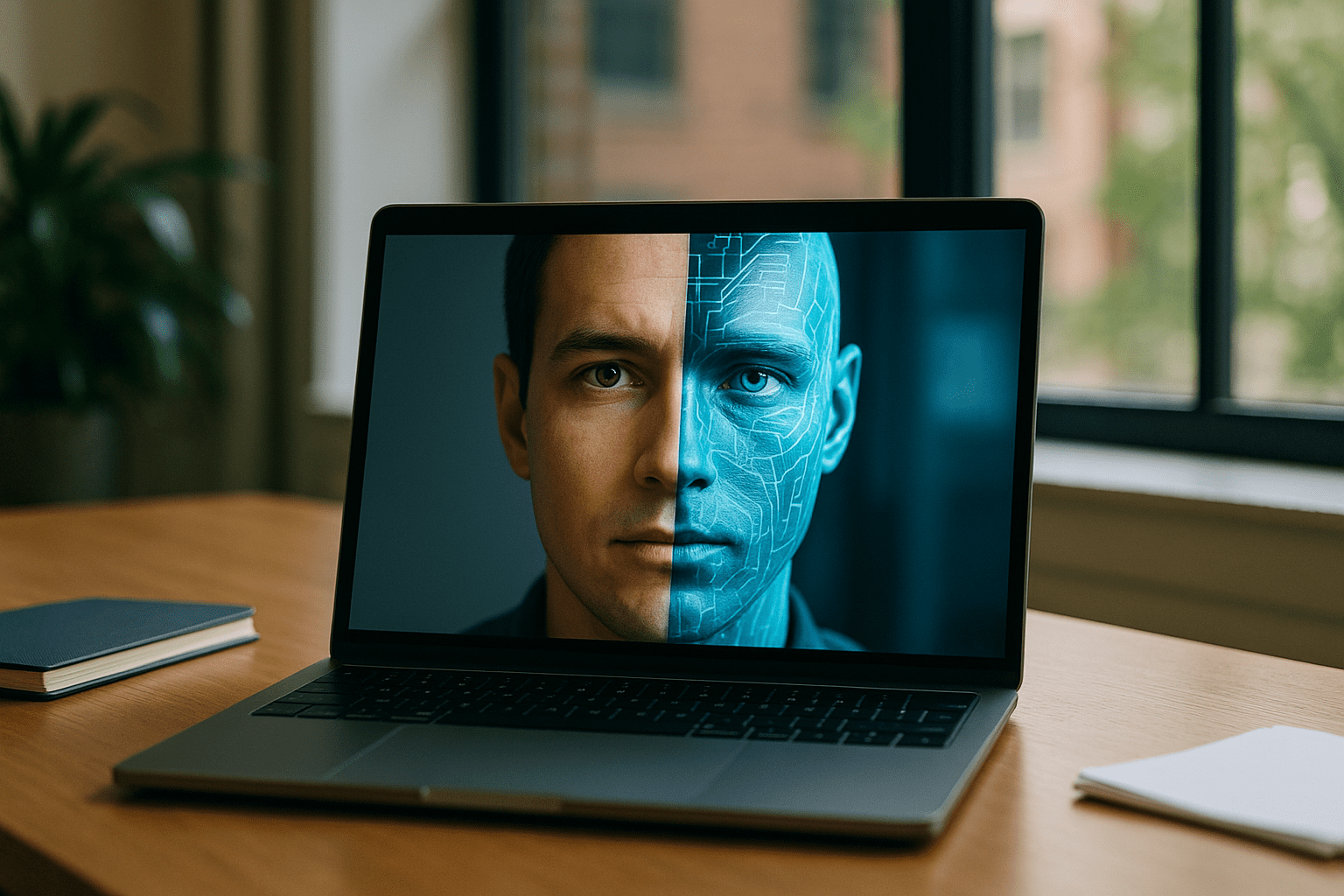
The rise of digital identity verification has transformed how we confirm who we are in the online world. As interactions, transactions, and even official processes shift into digital spaces, the ability to prove identity accurately has become crucial. Yet, this landscape faces a new challenge from the emergence of deepfake technology, which blurs the lines between authentic human presence and artificially generated images or voices.
When Faces Become Fabrications
Deepfakes use advanced artificial intelligence to create realistic but fake visual and audio representations of people. At first, these were novelties or tools for entertainment, but the technology quickly matured beyond simple tricks. What once required hours of manual editing has now moved into automated, widespread creation. The implications for digital identity are profound. A system relying on biometric verification, such as facial recognition or voice authentication, now risks being fooled by a synthetic likeness.
This threat is not merely hypothetical. Documented cases have shown fraudsters using deepfake videos and audio clips to impersonate executives or clients, bypassing security in corporate settings or social engineering scams. The challenge for identity verification providers is to anticipate and adapt to this growing form of deception so that trust does not erode in digital interactions.
The Subtlety of Synthetic Identities
What deepfakes bring to the table is not only visual or auditory mimicry but subtle behavioral traits that traditional detection methods can miss. Early identity verification systems leaned heavily on comparing a live image or voice sample with stored data. However, these systems can sometimes be vulnerable to static or dynamic deepfake presentations. For instance, a deepfake video might replicate facial expressions convincingly, or a voice synthesis might reproduce inflections and tone closely enough to pass simple checks.
As the lines blur, verification technology has begun incorporating behavioral biometrics, examining how a person interacts with a device or system. Patterns such as typing rhythms, gaze tracking, or gesture dynamics are harder to forge convincingly with a synthetic clone. These approaches provide a richer text to compare against computationally generated fakes. However, they also raise questions about privacy and the limits of data collection during identity verification.
Multilayered Defense Strategies
Facing the multifaceted nature of deepfake threats, identity verification is increasingly embracing a defense in depth strategy. Combining multiple verification factors-something you know, something you have, and something you are-makes it more difficult for deepfakes alone to succeed. For example, liveness detection has become a standard feature to confirm that a biometric sample is provided by a real person rather than a static image or video playback.
In addition, machine learning techniques are trained to spot telltale signs of fakeness. Researchers and companies are developing models that analyze inconsistencies in lighting, unnatural eye movement, or subtle artifacts in audio. This kind of forensic examination at scale helps sift authentic identity data from synthetic fabrications. For those interested, platforms like the National Institute of Standards and Technology Face Recognition Challenge regularly update their work on biometric accuracy and vulnerability assessments.
The Human Element Within Verification
Despite technological advances, completely automated identity verification systems can miss nuances that human examiners might catch. In some sectors, especially those requiring high assurance, hybrid models are emerging where automated screening flags suspicious verification attempts for human review. This combination can help maintain robustness without slowing down user experience excessively.
Human analysts bring contextual understanding-for example, knowledge about common deepfake methods targeting certain populations or the patterns criminals tend to follow when selecting targets. This awareness feeds back into system design improving detection algorithms. Furthermore, organizations striving to build transparent identity verification processes acknowledge the importance of audits and manual oversight in preventing deepfake-related fraud.
Industry and Regulatory Responses
The challenge posed by deepfakes extends beyond technical innovation. Regulators and industry groups worldwide have started taking notice and pushing for standards that address synthetic identity risks. For example, the European Union’s Digital Strategy emphasizes trustworthy AI and biometric data processing safeguards, advocating for more rigorous verification frameworks.
Meanwhile, sector-specific regulations, such as those in finance or healthcare, encourage integration of anti-deepfake measures to protect sensitive personal data and transactions. This regulatory pressure motivates providers to invest in advanced technologies and transparency about their identity proofing methods. It also highlights the need for continuous monitoring as deepfake sophistication evolves.
In the privacy realm, conversation around deepfakes intersects with concerns about mass data collection and user consent. While fighting synthetic fraud is paramount, organizations must balance security with respecting individuals’ rights and avoid creating verification systems that feel overly intrusive or chilling online participation.
Looking Ahead: A Cat-and-Mouse Game
Deepfake technology is advancing rapidly, with new capabilities emerging regularly. As identity verification adapts, this will likely remain a dynamic rivalry where each side learns and pushes innovation forward. The goal is to safeguard digital spaces where identity is foundational yet under constant threat from artificial mimicry.
Staying effective means vigilance, collaboration between technology developers, regulators, and users, and a commitment to transparency about limits and risks. While no system can claim to be completely foolproof, the ongoing evolution in digital identity verification demonstrates how resilience builds over time. Recognizing deepfake threats as part of the broader identity and privacy ecosystem leads to solutions that serve both security and trust.
For those exploring this space further, organizations such as the Microsoft AI Deepfake Detection resources offer practical insights on detection tools, while the Cybersecurity and Infrastructure Security Agency tracks emerging threats related to synthetic media and identity manipulation.
Sources and Helpful Links
- National Institute of Standards and Technology Face Recognition Challenge after examining biometric recognition accuracy and vulnerabilities.
- European Union Digital Strategy explaining AI and biometric data safeguards.
- Microsoft AI Deepfake Detection resources providing insight into detection technology.
- Cybersecurity and Infrastructure Security Agency on Deepfakes covering synthetic media threats and identity fraud risks.