Online dating profiles have become a kind of public record for personal information, and what people share often tells us more than just their romantic interests. Profiles are shaped both by a desire to be honest and by the instinct to protect private details. This balancing act between openness and discretion reveals some complex patterns about how people navigate privacy in digital spaces.
Profiles as curated self-portraits
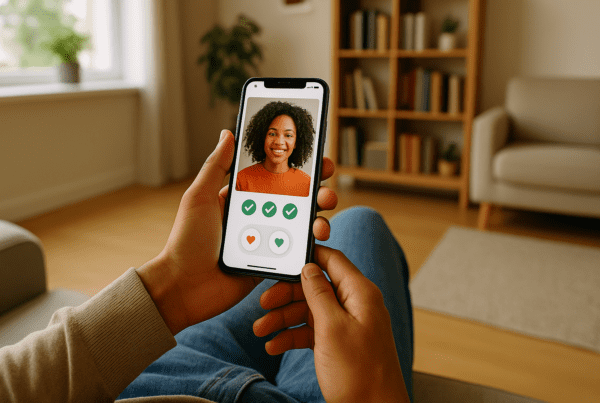
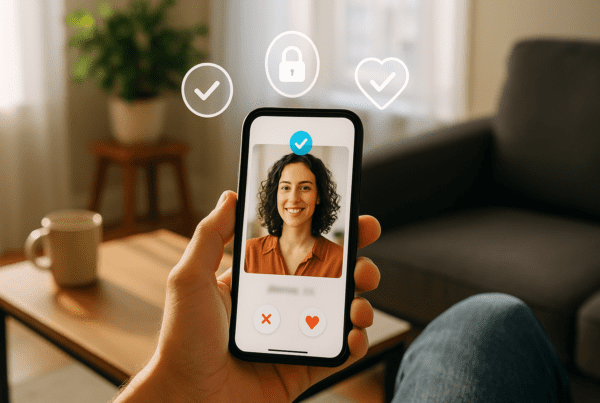
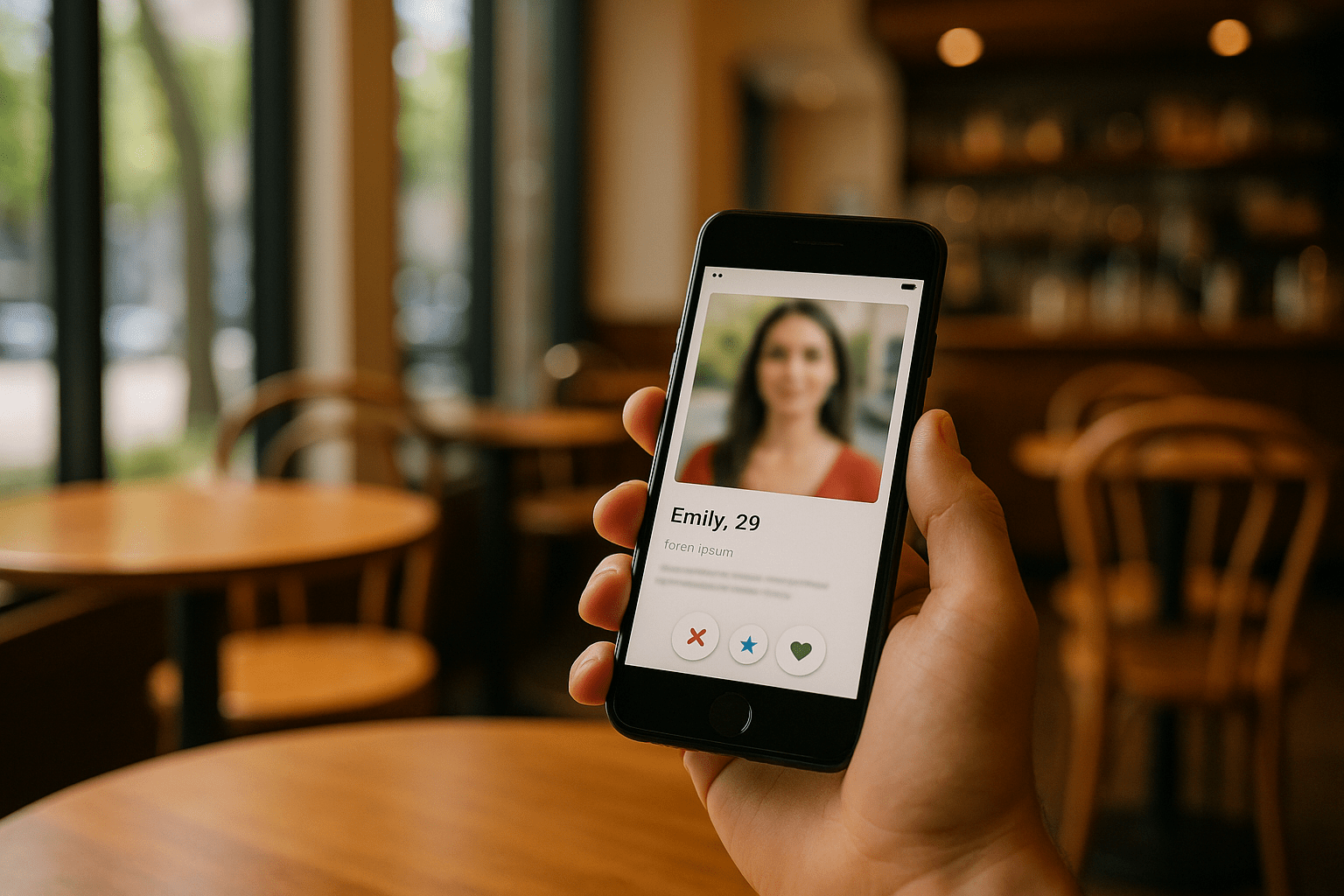
When someone creates a dating profile, they are crafting an image of themselves that will be seen by strangers. Unlike a simple social media post, these profiles are more deliberate, blending selective disclosure with a kind of marketing strategy. Users reveal certain facts like age, location, interests, and relationship goals alongside photos carefully chosen to present a desirable version of themselves. The artifice here doesn’t just obscure the complete person, it also reflects an unspoken contract where some truths are shared and others remain guarded.
This phenomenon is familiar beyond dating apps and traces back to how humans present themselves in social situations. But digital dating profiles turn this into a public, searchable, and persistent record. Because profiles can be revisited or shared, the information is layered with new significance – it is no longer fleeting, which inevitably raises questions about how much transparency people are comfortable offering when their statements endure online.
Privacy trade-offs and the evolving nature of data
The data people offer up in dating profiles interacts with a larger ecosystem of personal information that candidates for romance might want to control. Giving away details such as an exact workplace, daily routine, or political views can increase the chance of connection, but also creates vulnerabilities. It can invite judgment, stalking, identity theft, or unwanted attention, especially when combined with data from other sources like social media or public records.
Some platforms have responded to these concerns by offering different levels of profile visibility or enabling controls over which data gets shared. Yet, the very act of putting a profile online engages users in a kind of privacy negotiation, often without fully understanding the downstream uses of that data. The data might be scraped, sold to third parties, or held indefinitely, giving dating profiles a shadow life that extends beyond their original context.
What public records and data behavior reveal about identity signals
The interplay between dating profile content and other public data sources illustrates how identity in the digital age is often pieced together from multiple signals. For instance, an address history or name variations extracted from public records can confirm or contradict what is shared in a dating profile. Patterns emerge, showing discrepancies where people might use nicknames, leave out certain affiliations, or vary personal details to protect privacy or experiment with identity.
This behavior highlights an essential truth in online searches: no single profile or source gives the full picture. Instead, a mosaic of information, from public records to profile photos and biographical snippets, forms a richer but more complicated understanding of a person. It also challenges simplistic assumptions about honesty in online dating, steering the conversation towards realistic expectations about human behavior and digital footprints.
Transparency as a spectrum, not a destination
Instead of expecting absolute transparency or uniform privacy, it helps to think of dating profile disclosures as existing along a continuum. Some users opt for complete openness, sharing detailed personal stories and photos openly, reflecting a preference for deep connection or authenticity. Others choose vaguer descriptions and limited photos, indicating caution or a desire to keep romantic prospects provisional.
What is striking is that both approaches coexist within the same environments, influencing the social norms and expectations on dating platforms. The data available on profiles, combined with how users engage and modify their own information over time, speaks to a fluid relationship with identity that balances personal comfort, social risk, and the human inclination to connect.
The ongoing conversation about data control and user rights
Given these nuances, ongoing debates about user data rights, platform responsibilities, and transparency grow even more pertinent. Privacy laws like the General Data Protection Regulation (GDPR) in Europe and similar policies elsewhere enforce some degree of user control over personal data, but enforcement and scope remain uneven. Users often face opaque terms of service and complex privacy settings, making it challenging to understand what data is collected and how it is used.
This lack of clarity can discourage some from engaging fully or lead to regrettable oversharing. Meanwhile, dating companies navigate their conflicting incentives to collect rich data for matchmaking algorithms and advertising purposes while trying to maintain users’ trust. The result is a delicate dance where the meaning and boundaries of transparency are constantly reshaped by evolving technologies, cultural attitudes, and legal frameworks.
In the end, dating profile data offers a compelling window into contemporary identity and privacy. It shows how people are learning to manage what they reveal in pursuit of intimacy and companionship, while also confronting the risks that come with making parts of the self visible in public digital spaces.
Exploring these dynamics helps us appreciate the real-world challenges faced by millions looking for connection, offering richer context beyond the swipe and the profile picture.
For those interested, resources like GDPR details explain legal rights related to data privacy. Privacy education platforms such as Privacy International offer ongoing insight on data control issues. To better understand the broader context of identity signals across public data sources, sites like PersonZoom provide detailed explanations and aggregation.
People searching for romance must think carefully about what they disclose and how it might be used. The conversations about transparency and privacy within dating profiles are now part of a wider societal negotiation about identity, control, and trust in digital life.
Sources and Helpful Links
- GDPR.eu – A comprehensive resource on the General Data Protection Regulation and users’ data rights in Europe.
- Privacy International – An organization focused on educating the public about privacy and data control issues worldwide.
- PersonZoom – A site that aggregates and explains public records and identity signals for people searches and data transparency.