The landscape of online dating has long been complicated by questions about who is really behind the profiles we see. In recent years, however, there is a noticeable push among platforms to introduce more transparent forms of identity verification. This is not just a feature tweak but a subtle transformation of how trust and authenticity are approached in virtual spaces where people look for meaningful connection.
When Profiles Become More Than Photos and Bios
Dating apps have historically thrived on the premise of presenting snapshots of one’s life through photos, bios, and sometimes a few mutual connections or interests. While these elements offer an initial window, they often fall short of reassuring users that the person on the other side is genuine. The layers of placeholder information can hide a lot, from exaggerations to outright falsehoods.
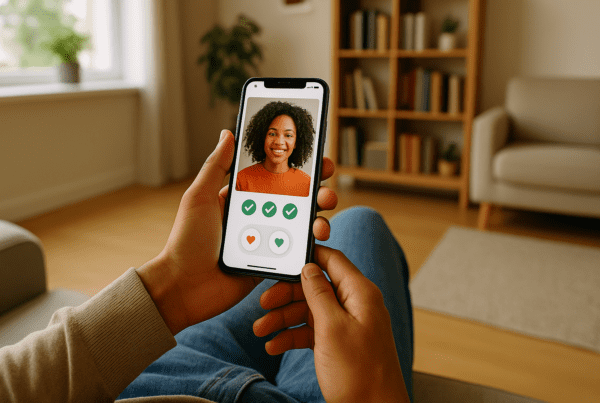
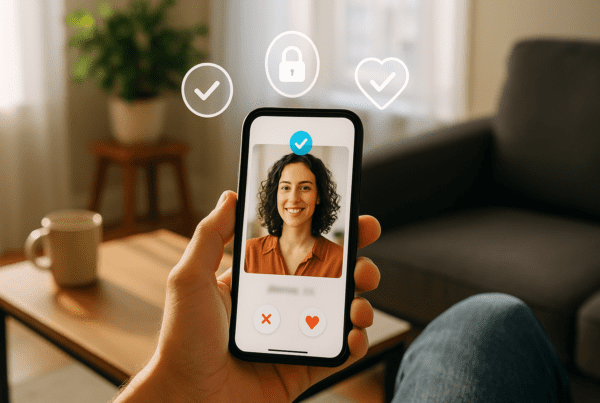
That reality has led platforms to consider various ways to lift this veil. Transparent verification involves going beyond a vague “verified” tag to clarify the methods used to confirm identities. It means revealing whether verification was based on government ID matching, biometric checks, social media cross-reference, or combinations thereof. This transparency allows users to make more informed judgments instead of relying solely on gut feeling or luck.
Services like Reddit discussions on verification often reveal people’s skepticism about what a simple checkmark really means. More transparent policies can help bridge this understanding gap, creating confidence not just through security but through clarity.
Building Trust Without Compromising Privacy
The challenge with identity verification in dating is striking the right balance between openness and privacy. Users want to know their potential matches are who they say they are, but they also expect their personal information to be handled carefully. Transparent verification can help by openly communicating what data is collected and why, and what happens after the initial check.
For example, some platforms have started to publish detailed data privacy policies specifically for dating apps that explain how identity data remains protected and is not shared externally. This openness can alleviate users’ concerns about identity theft or misuse of their information, which have been lingering worries associated with online dating for years.
Furthermore, transparent verification sometimes additionally bolsters safety features. When users understand verification processes, they might feel empowered to report suspicious behavior, knowing that a platform has a structural backing rather than just user ordinariness combating scammers or fakes.
The Impact of Verification on User Behavior and Platform Culture
Introducing visible, transparent verification shapes not just individual user experiences but also the broader culture on a dating platform. When verification procedures are clear, it can subtly nudge users to be more authentic themselves. There’s a kind of social contract that emerges, people respond to trust signals by reciprocating them.
This can lead to richer interactions and potentially higher rates of genuine matches. At the same time, it draws a line for people who might have previously engaged with the platform casually or under false pretenses. The presence of transparency can filter out some of those interactions that waste time or create frustration due to dishonesty.
Interestingly, academic insights such as those documented in social behavior studies on online trust show that clarity in identity signals often correlates with greater user satisfaction and longer-term engagement. While not all users will value verification equally, its role in shaping a platform’s environment should not be underestimated.
New Methods Emerging and What They Reveal About Online Interaction
As technology evolves, identity verification in online dating is tapping into a variety of tools. Beyond the traditional passport or driver’s license uploads, some platforms use video selfies compared against stored photos, real-time facial recognition, or even short, live interaction prompts to confirm a person’s presence and identity. The emphasis on live or dynamic verification methods adds an additional layer that static image verification cannot.
However, these advances invite conversations about user convenience and inclusivity. Not everyone has equal access to the technology needed for sophisticated biometrics, and some users worry about the implications of such checks on privacy or discrimination. Transparent explanations and options for alternative verification keep the process user-friendly while respecting diverse user needs.
At the same time, platforms that openly share their verification journeys foster a form of digital literacy among users, which is crucial in today’s environment steeped in misinformation and digital impersonation. This literacy enhances users’ ability to navigate identity claims critically and decisively.
The move toward transparency signals a maturing of the online dating industry, where security, authenticity, and user respect increasingly become intertwined rather than competing priorities.
There is also a social dimension to this shift that extends beyond individual profiles. When verification is transparent, the potential for scams or deceitful behavior diminishes because the cost of lying increases. This does not mean deception disappears entirely, but it can discourage the casual impersonations that have long plagued dating platforms. Users become part of a community that implicitly demands honesty, supported by the technology they rely on.
Observing these changes, it is clear that transparency in verification is more than a technical feature. It is a statement about the values a dating platform holds and wants to project. When users can see and understand how their identities are validated, it fosters a sense of responsibility and engagement that can transform the online dating experience from a game of chance into a context for genuine connection.
This cultural shift is also echoed in user expectations. People now look for platforms that take identity verification seriously and communicate openly about their approach. The days of ambiguous badges might be fading as demand grows for accountability and openness. The transparency trend is likely to influence how future dating apps position themselves and compete for users, emphasizing trust as a key differentiator.
Still, it is important to remember that no verification system is completely foolproof. The balance between accessibility and security requires constant adjustment and clear communication to keep users informed and comfortable. Platforms need to stay attentive to user feedback and emerging threats as they refine their verification methods.
Ultimately, transparent identity verification is reshaping not just how dating apps work but how people relate to online romance itself. It suggests a growing consensus that honesty, respect for privacy, and clear communication are fundamental ingredients for building meaningful connections amid the complexities of digital life.
Sources and Helpful Links
- Reddit dating advice on profile verification, a community discussion on interpreting verification badges and what they actually mean
- Trend Micro on data privacy in online dating, exploring privacy concerns and protections in digital dating environments
- JSTOR study on online trust and social behavior, examining the relationship between identity transparency and user satisfaction