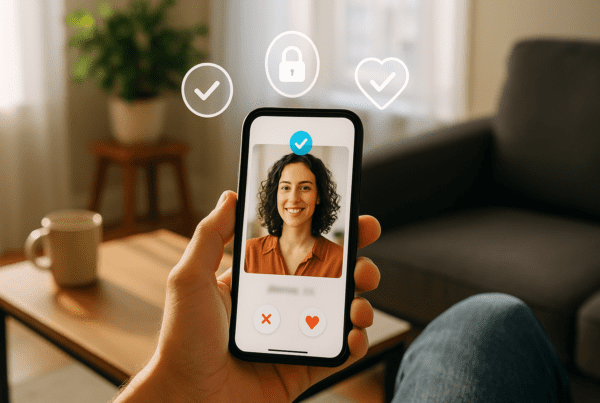
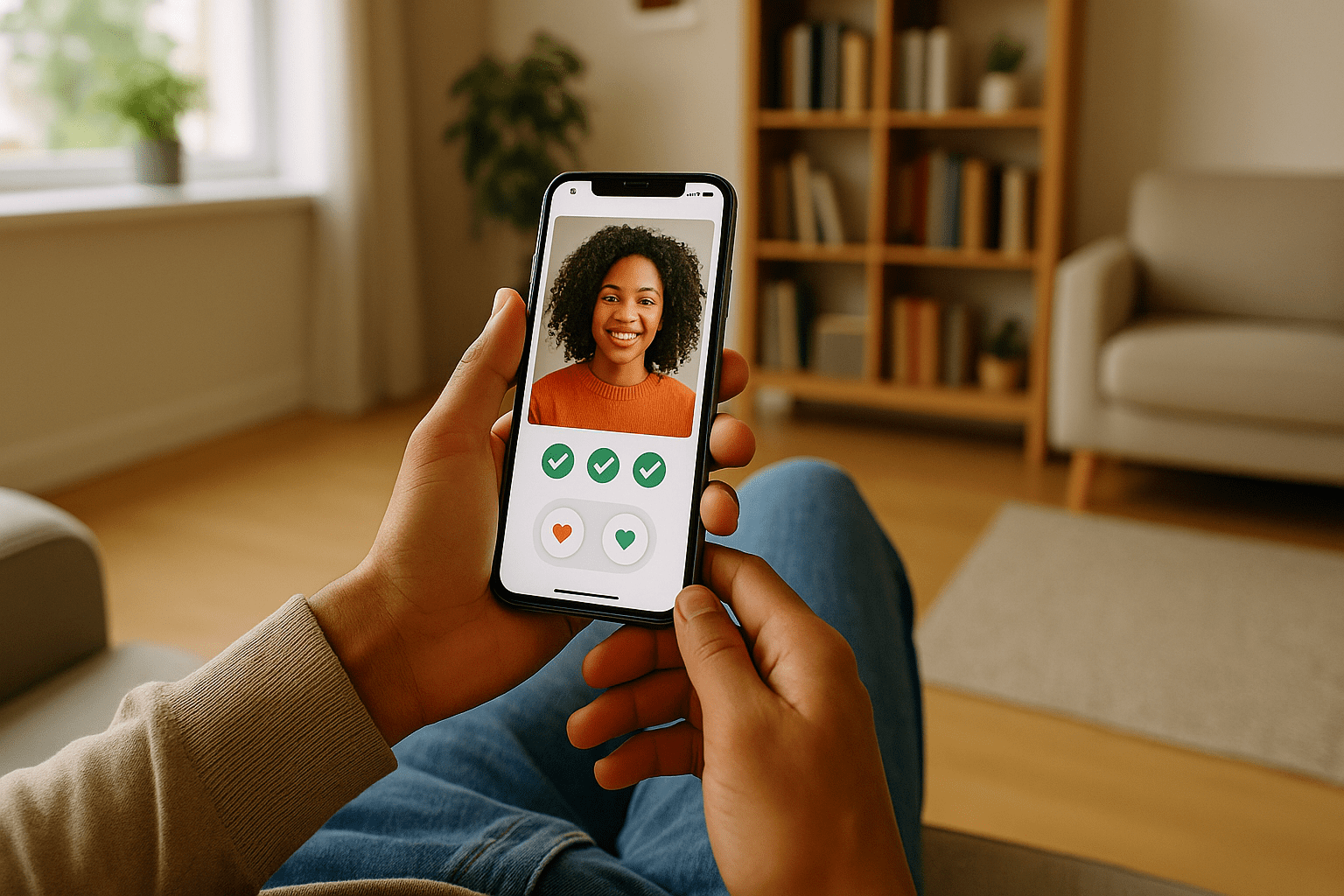
When people meet online for dating or friendships, they often face uncertainty about who they are really talking to. This uncertainty can be unsettling because unlike in person interactions, digital connections do not always come with familiar social cues or realities. Over time, services and platforms have introduced verification protocols aiming to reduce risks and build confidence in these remote connections.
Tracing the origins of digital trust mechanisms
Verification protocols were not invented overnight. Early online communities and dating sites started with simple mechanisms such as email confirmation or optional photo uploads. As the internet community grew larger and more complex, these initial steps proved insufficient in guarding against impersonation, scams, and outright deception. The need for more robust verification became clear, especially as incidents of fraud and exploitation increased in digital dating spaces.
With these concerns, platforms began adopting multi-layered verification processes. These can include government ID checks, linking social media accounts, biometrics, or even live video verification. Each approach introduces a new kind of signal designed to assure users that the person behind the profile matches their claimed identity or attributes.
Verification as a signal in the social negotiation of trust
It is important to realize that verification protocols do not create trust themselves. Instead, they serve as signals or cues in the complex human process of deciding whom to trust. Trust always involves some element of uncertainty; verification protocols do not eliminate uncertainty but aim to reduce it meaningfully.
Users respond differently depending on how transparent and straightforward their platforms make the verification processes. When users feel confident that verification was thorough but respectful of privacy, they are likelier to engage openly. On the other hand, overly intrusive or opaque verification can lead to discomfort or distrust about data handling.
Changing patterns of online relationship safety and misuse
As verification protocols evolve, so do the tactics of those seeking to abuse online dating systems. Catfishing, financial scams, and identity theft remain threats despite advances in identity confirmation. These criminal behaviors often exploit gaps in verification or push users to bypass safeguards through social engineering.
This evolving landscape means platforms need to maintain a dynamic approach, combining technology with user education and community reporting tools. Verification is one pillar in a larger framework of safety measures that also includes behavioral monitoring, content moderation, and accessible support for victims.
Privacy considerations tied to identity verification
Another dimension worth noting is the trade-off between verification and privacy. Collecting identity data can raise concerns about how this information is stored, shared, and protected. Users who prioritize privacy may hesitate to undergo invasive verification, potentially limiting their participation or choosing less secure platforms with fewer safeguards.
Innovation in privacy-preserving verification methods, like zero-knowledge proofs or decentralized identity technologies, is starting to address some of these concerns. These methods offer potential for verifying identity attributes without revealing unnecessary personal information, though widespread adoption remains in early stages.
Verification’s role in shaping the future of online dating ecosystems
Looking across the current landscape, verification protocols have become intertwined with the core functioning of online dating spaces. They help platforms meet regulatory expectations, reduce harm, and offer users a more reliable environment for meeting others. For individual users, verification can be a signpost in navigating the murky waters of digital relationships.
There has also been growing conversation about standardizing verification practices across platforms or industries. Consistency could reduce friction for users while enhancing overall safety. In the meantime, prospective daters should remain aware of how verification systems function and how they fit within broader safety and privacy concerns.
Ultimately, the use of verification protocols illustrates a real-world negotiation between openness and security, trust and caution, connection and protection. They are quietly shaping online relationship experiences, easing fears of deception and creating spaces where digital intimacy feels a little safer.
More details on identity safety in online dating can be explored through resources like FTC guidance on online dating scams and Internet Matters on social media safety. These pages offer grounded insight into recognizing risks and using safety tools effectively.
The evolution of verification protocols reminds us that online dating is not only about matching personality or preferences, but also about navigating identity in the digital age. Through careful design, user awareness, and ongoing oversight, these protocols will continue to influence how people forge connections amidst the vast and complex online social landscape.
For anyone concerned about identity, privacy, or relationship safety, exploring verified profiles or platforms with clear safety policies is becoming a recommended proactive step. It is one practical tool among many in a user’s safety toolkit, reflecting a growing emphasis on accountability and trustworthiness in digital relationships.
In the grander view, verification protocols represent a broader societal adaptation to living increasingly through digital layers of interaction. They provide a lens to examine how technology intersects with human behavior, social norms, and the perennial question of who we can safely let into our lives.
For further exploration of identity verification in people search and digital safety contexts, looking into resources like IdentityTheft.gov and data privacy education from Privacy Rights Clearinghouse offers valuable, steady context on managing and protecting personal information online.
As technology and user expectations continue to shift, the thread of verification will remain critical in weaving safety into the fabric of online relationships.
Sources and Helpful Links
- FTC on online dating scams – Consumer advice and warning signs related to online dating fraud and scams.
- Internet Matters social media safety – Guidance on safe use of social media platforms, including dating apps.
- IdentityTheft.gov – An official resource for identity theft prevention, reporting, and recovery.
- Privacy Rights Clearinghouse – Education and tips on data privacy and protection strategies for consumers.