When scrolling through online dating profiles, verified badges often feel like a shortcut to certainty, promising the person behind the profile photo is who they say they are. Still, the uneven experiences people share suggest these badges do not always tell the whole story. Verification failure is more common than the quiet design of many apps lets on, exposing limits that go well beyond technology glitches.
The challenge behind the simple checkmark
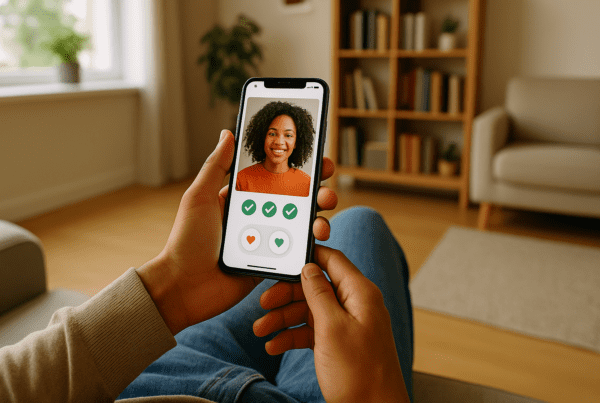
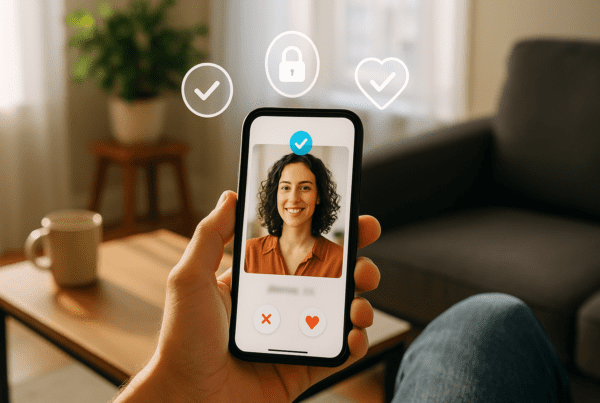
Dating apps typically offer verification tools that revolve around comparing selfies to profile pictures, matching phone numbers, or linking social media accounts. These approaches, however, operate within the messy realities of human appearance and presentation. A selfie taken in natural light can look very different from one in dim indoor lighting, changing how facial recognition responds. Makeup, facial hair, glasses, or even minor expressions can alter recognition outcomes. As well, social media accounts, used as a source of corroboration, are often curated versions of people’s lives, sometimes with incomplete or misleading content.
The artificial intelligence systems employed to check photo matches are sophisticated but not infallible. They work by setting thresholds of similarity that must be met to grant verification, yet this process faces complications. Some personality traits, like frequently changing hairstyles or eyewear, might unintentionally cause the software to decline matching images. Phone-based verification carries its own shortcomings. Numbers can be reassigned to new users or temporarily rented, enabling bad actors to slip through undetected. These flaws show why verification badges serve more as signposts than guarantees.
More than a face: layers beneath identity claims
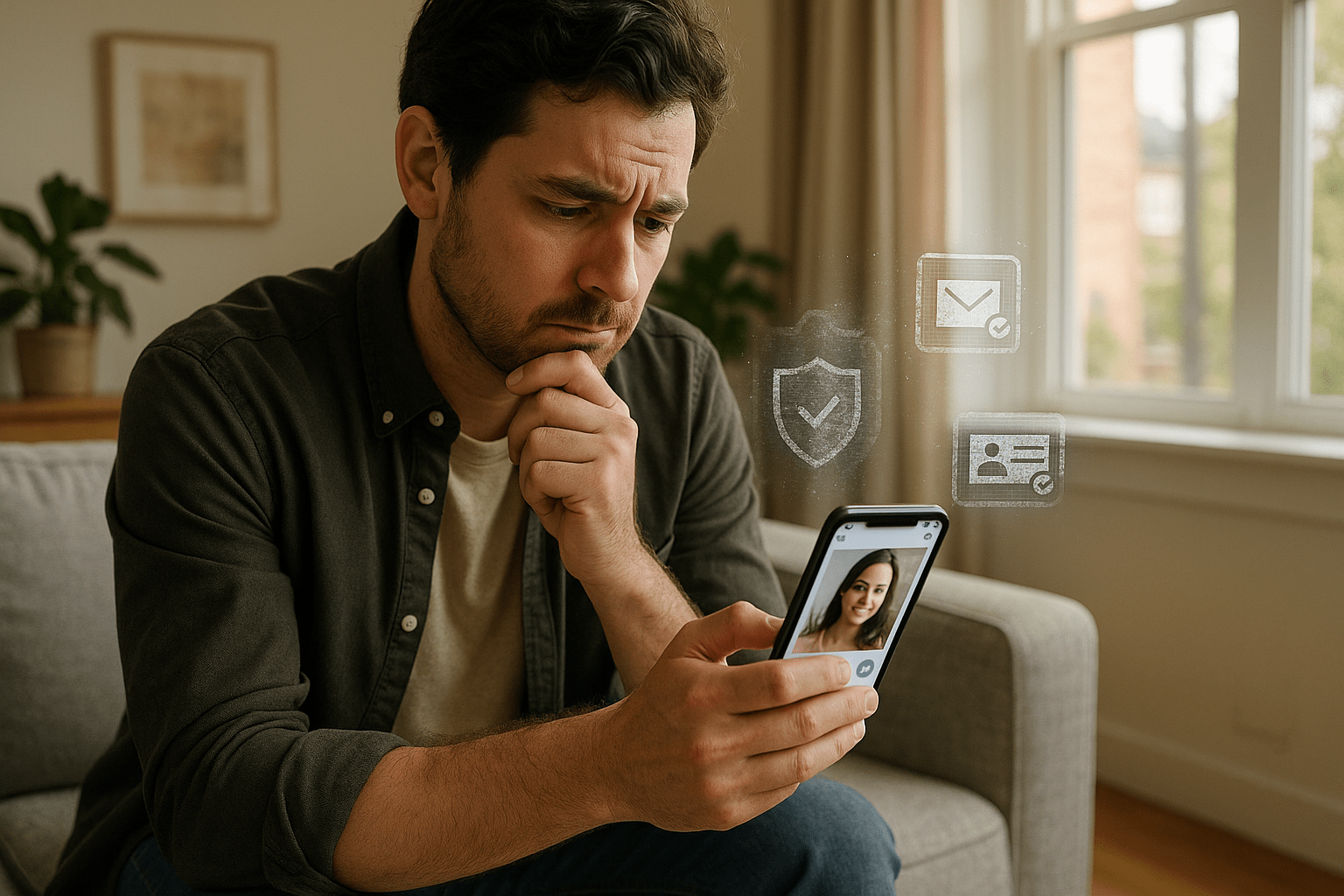
Verification essentially connects the dots between images or linked accounts but does not vouch for honesty about identity or intention. People often conflate a verified badge with a full endorsement of truthfulness, but the two are far from synonymous. Verified profiles can still share deceptive or incomplete information about key personal details such as relationship status, occupation, or intentions.
This disconnect is critical to grasp. While a system may affirm that a photo belongs to a given user, it cannot authenticate the accuracy of the accompanying biography or disclosures. The rise of deepfake technologies, recycled images, and manipulated phone numbers means that some users can game verification steps and still mislead others. Articles from the Federal Trade Commission highlight how these deceptive strategies continue to evolve, revealing that verification operates amid persistent vulnerabilities.
Trust rooted in human judgment despite digital cues
While platforms provide tools to build confidence, the ultimate arbiter of trust often remains the user. Many people report an ability to detect inconsistencies or insincerity through patterns in messaging, hesitation to engage in video calls, or odd discrepancies over time. These signals often weigh more heavily than any digital verification symbol.
Moreover, layers of verification have emerged to bolster confidence, with some apps requiring video selfies or live verification calls. These add complexity to the process and attempt to mimic real-time interactions that technology struggles to replicate alone. Still, users learn that no badge can substitute for instincts built through experience and interaction.
The privacy dilemma at the heart of verification
Verification protocols often require sensitive data such as biometric facial scans or connections to multiple social accounts. These demands introduce thorny privacy concerns. Some users are reluctant to submit such information, fearing misuse, breaches, or indefinite storage of their personal data.
Instances where verification data fails or leaks can cast doubt not only on individual profiles but on the entire platform, shaking user confidence. Efforts to strike a balance between robust identity checks and privacy respect shape how services evolve. Some promising experiments in decentralized identity verification aim to limit centralized data storage risks, but these are not yet mainstream.
This tension captures a bigger reality of online dating today: trust is built both by proving identity and by safeguarding users from new exposure or harm arising from that proof.
The ongoing negotiation of connection and trust
Verification in online dating remains an imperfect and ongoing challenge. The systems involved balance partial, sometimes conflicting signals while contending with persistent fraud tactics. Users gradually learn to understand verification badges as just one of many signals in judging potential matches.
Developers are investing in improved accuracy, transparency about data handling, and encouraging more human elements in verification, but progress takes time. Meanwhile, intimate relationships formed through online dating ultimately depend heavily on interpersonal trust and interaction beyond algorithms.
Cases of failed verification remind us that genuine human connection requires patience and does not emerge simply through digital badges. Trust builds over conversations, consistency, vulnerability, and shared experience rather than through technology alone.
For anyone interested in exploring the nuances behind these realities, trusted resources like the Federal Trade Commission provide detailed guidance on dating scams and how to recognize them. The Identity Theft Resource Center offers insights about protecting personal data, which intersects crucially with verification challenges and user safety.
Behind the quest for verified profiles lies a complex interplay of technology, human nuances, and privacy concerns, all shaping how people find connection in a digital age.