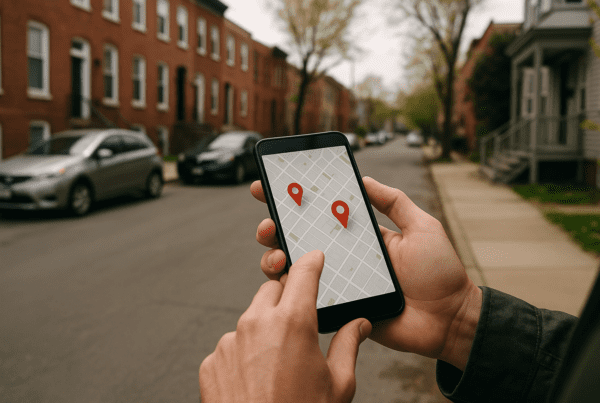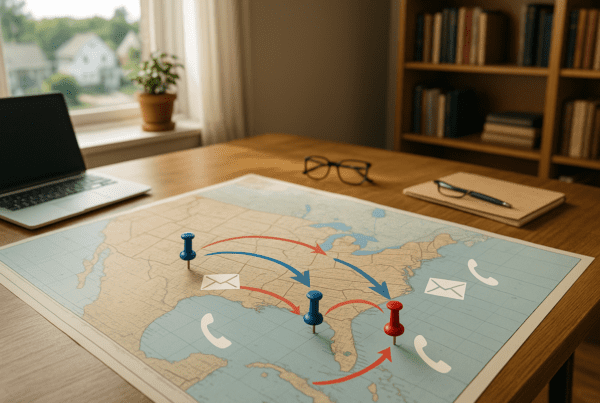

Public records have long been a cornerstone of transparency, allowing everyone from journalists to families to explore history, verify details, or reconnect with lost contacts. Yet over recent years, the pathways to these records have undergone a notable transformation, as data brokers increasingly shape how this information is accessed, organized, and priced. These entities, often operating quietly behind the scenes, gather personal data from a wide array of official and unofficial sources, reconstructing detailed profiles that go far beyond simple records.
A Shift from Open Archives to Data Layering
Traditionally, public records such as court files, real estate transactions, or vital statistics were maintained and accessed through government offices or official websites. Anyone with a reason and some persistence could generally find this information by engaging with public bodies directly. However, data brokers have positioned themselves as intermediaries by collecting these records in bulk, then linking them to online activity, commercial data, and even social media footprints.
Rather than a straightforward document lookup, users now encounter platforms that aggregate and synthesize these disparate fragments into unified digital dossiers. While this can make searches faster or more user-friendly, it simultaneously shifts control from public entities to private companies. Access may no longer be free and unrestricted; companies prioritize clients based on payment tiers, sometimes locking more detailed or sensitive information behind paywalls.
When Data Becomes Commodified and Complicated
The process at the heart of data brokering involves more than compiling files. It is a careful craft of assembling identities from changing, inconsistent, and often faulty inputs. Names are common, addresses change, phone numbers get recycled, and records can be delayed or misfiled. Brokers use algorithms designed to link these clues correctly but cannot fully eliminate errors. The result is a mix of updated profiles alongside persistent inaccuracies, creating challenges for anyone depending on precise details.
Monetizing this data spans various models. Some brokers offer subscription services used by marketers or background check companies. Others supply real-time data feeds for risk analysis or identity verification. Because the original records were meant to reside publicly, selling access introduces a commercial gatekeeper in a realm historically seen as open. This complexity can puzzle the average individual who might simply want to verify a contact or check a record without encountering high costs or confusing restrictions.
Privacy Concerns in the Era of Aggregated Disclosure
Perhaps the most subtle consequence of this shift is how privacy is affected. While public records on their own are accessible to all, data brokers’ aggregation creates something qualitatively new. Piece by piece, seemingly innocuous details join together to form comprehensive, sometimes sensitive portraits that extend far beyond any original intent of transparency. Observers worry about how combining information amplifies risks, exposing individuals to surveillance, identity theft, or unfair profiling.
This tension brings forward important debates about what constitutes reasonable access versus overexposure. Users engaging with brokered data might not always realize how their information is compiled or used commercially. Without clear controls or straightforward ways to correct errors, the relationship between public knowledge and personal privacy becomes blurred. Accountability for accuracy and ethical use tends to lag behind technology’s rapid advance.
Responses and Evolving Norms in Data Oversight
Recognizing these challenges, lawmakers and regulators are beginning to scrutinize data broker activities more closely. Some states have passed laws giving consumers rights to request disclosure, remove data, or opt out of certain databases. Federal discussions about broader privacy protections continue, although agreement on specific reforms remains elusive. Meanwhile, industry players experiment with certification programs and accuracy checks designed to enhance trustworthiness.
Initiatives promoting transparency and ethical data handling act as counterbalances to purely commercial interests. They highlight the ongoing negotiation between leveraging data for innovation and protecting individual rights. Public records, once uncomplicated and freely accessible, have become embedded in a complex ecosystem where layered data controls and user privacy must coexist.
The influence of data brokers on public records access is a growing feature of our information landscape that deserves continued attention. Their role expands opportunities for information retrieval and services but also requires a thoughtful awareness of how data is curated, shared, and commercialized. Anyone relying on such information benefits from understanding these dynamics, which ultimately shape what is visible and how individuals are represented in the digital realm.
Sources and Helpful Links
- Federal Trade Commission on Data Brokers An overview of data broker activities and regulatory measures in the United States.
- FTC Consumer Information on Data Brokers Insights for consumers about how data brokers collect and use information.
- Digital Guardian’s Explanation of Data Brokers A detailed look into how data brokers operate within the data ecosystem.
- Privacy Rights Clearinghouse on Data Brokers Guidance and resources on data privacy concerns related to brokered information.