Reverse address lookups have quietly shifted from niche tools used mostly by professionals into features employed by everyday people curious about their surroundings. What once might have seemed like an obscure way to dig up information now serves increasingly practical purposes linked to safety, peace of mind, and community awareness. The way people use these tools today speaks to broader trends in how familiar and unfamiliar neighborhoods are perceived, and the value of connecting physical places with digital data.
Noticing Patterns Beyond the Street Sign
There was a time when simply knowing an address was the end of the story for most. Today, people are often tapping into reverse address lookups not just to identify who lives somewhere but to sense patterns. Is this area a frequent site of property crimes? Are there registered sex offenders nearby? How stable is the residency-do people tend to move in and out quickly? People rarely approach these queries as if conducting a formal background check on neighbors. Instead, it’s more about assembling bits of context that might not be immediately obvious but that quietly inform how someone experiences their environment.
This nuanced use reflects a growing comfort with public data and the tools to access it, blending physical experience with digital insight. For instance, new residents might hope to confirm their choice feels safe, or parents might want to keep tabs on how neighborhoods change over time without relying on hearsay. Those buying homes often look deeper into property histories and occupant records, using reverse lookups as a stepping stone for more research. The trend is a move away from reactive or alarmist checks toward ongoing, measured awareness.
Safety as a Starting Point, Not an Endpoint
People often start with safety concerns when turning to reverse address lookups, but their inquiries rarely stop there. Understanding safety has broadened to include neighborhood stability, social dynamics, and even local services. For example, some users check if the location has had past incidents involving break-ins or fraud. Others want to know about neighbors themselves-how long someone has lived at the address, or if multiple residents are linked to that building.
This layered understanding shapes decisions, such as whether to accept a package, allow a visitor inside, or join local community groups. It’s not just about avoiding harm but also about making informed choices to engage with one’s environment confidently. The data accessed through reverse address lookups often overlaps with information from community forums, police blotters, and local news, weaving a fuller narrative around a place.
Privacy Tensions and Responsible Use
Alongside these increasing uses, concerns about privacy naturally arise. The same records that empower individuals to feel safer can also risk crossing boundaries that some consider intrusive. Not every homeowner wants their rental history or occupant details widely accessible, even if the data is technically public. This tension shapes how platforms offering reverse address lookups structure their services, balancing transparency with respect for individual privacy.
Responsible use has become a conversation increasingly visible in the public data sphere. Some sites implement measures that discourage or limit bulk data scraping or impose limits on querying certain sensitive information. Users who rely on reverse lookups for safety often express caution about how far to take their inquiries, recognizing that curiosity can sometimes slip into unwarranted surveillance or profiling.
Understanding this balance is part of the current reality with reverse address lookups today. Awareness about data rights, opt-outs, and varying regional rules is essential, especially as legal landscapes continue to evolve globally.
Emerging Technologies and Accessibility
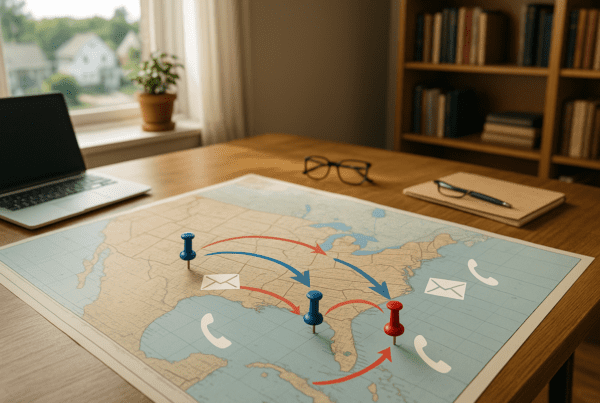
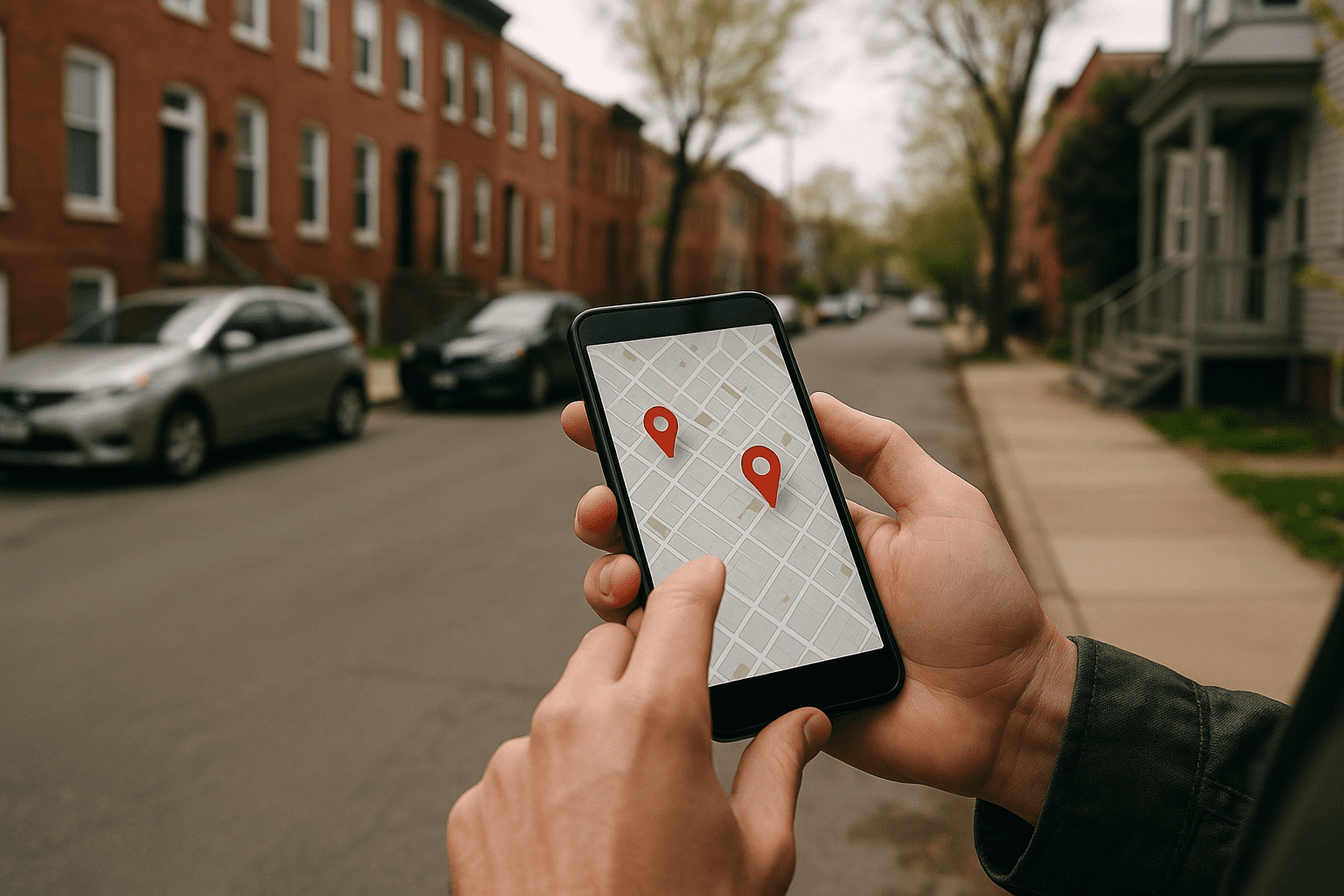
The tools shaping reverse address lookups have grown more sophisticated. AI-driven aggregators can weave together data from diverse public records-property deeds, court records, occupancy permits, even social media mentions linked to addresses-to provide richer snapshots. Map integration, historical trends, and alerts about changes to address-linked information are becoming more common features.
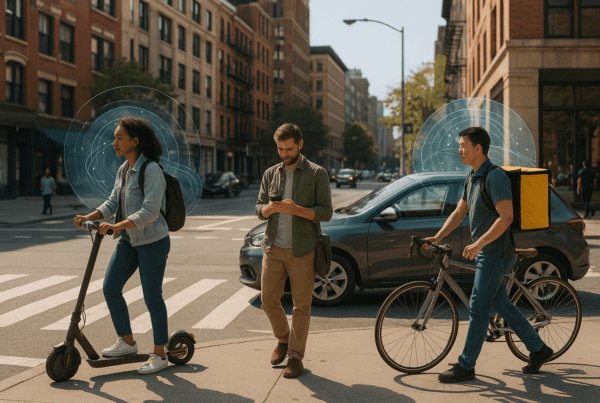
What stands out is the accessibility these innovations bring. More people who once found address research complicated or tedious now use apps and websites to get quick, consolidated data moments after hearing an unfamiliar location mentioned. This may feed everything from safety checks during a late-night ride-share drop-off to verifying the credibility of a short-term rental.
Yet, the ease of access also means users should maintain a critical eye toward data accuracy and context. Public records can contain errors or outdated entries, and not every address has a clear story. Exploring multiple sources remains an important step, especially when safety or trust depends on the information.
Neighborhoods as Living Stories
One curious underlying effect of reverse address lookups gaining popularity is how neighborhoods emerge as living stories rather than static points on a map. People build mental maps filled with impressions grounded in concrete data as well as personal experience. It’s a way of humanizing and contextualizing places that might otherwise feel anonymous or uncertain.
Those patterns don’t just reflect concerns but also hopes and expectations for community. Residents might track signs of gentrification, shifts in demographics, or the emergence of new local businesses through what they find linked to addresses. These insights, while imperfect, feed a richer understanding of how places evolve and what it means to live there.
Reverse address lookups have thus become part of a broader mosaic describing neighborhood life. They sit alongside conversations in town councils, informal word of mouth, and news coverage. For anyone curious about safety and life in their vicinity, these tools offer a window into the ongoing narrative that a street or block quietly tells.
With the continued expansion of public records and data integration, the role of reverse address lookups may evolve further. Their ability to connect physical spaces with digital footprints offers a unique lens into the complex weave of urban and suburban life. As people become more comfortable and discerning with these tools, it will be fascinating to see which new uses emerge and how they reshape our relationship with the places we call home.
For those interested in diving deeper into reverse address lookups and public safety data, resources like the Federal Trade Commission’s guide on reverse address lookups offer practical insights. Meanwhile, sites like PersonZoom provide searchable databases connecting people and places with public records, underscoring how these tools function in the real world.
Exploring address-linked records remains an evolving practice that marries curiosity, caution, and empowerment. It reflects a broader cultural moment where knowing more about one’s surroundings increasingly informs how people choose to live, trust, and engage with others around them.
Sources and Helpful Links
- Federal Trade Commission Guide – Offers practical information on using reverse address lookups safely and effectively.
- PersonZoom – A platform aggregating public records related to people and addresses for clearer understanding.
- Nolo’s Legal Encyclopedia – Discusses the legal aspects and uses of reverse address lookups.
- Privacy Rights Clearinghouse – Guidance on managing privacy related to home address and public data.