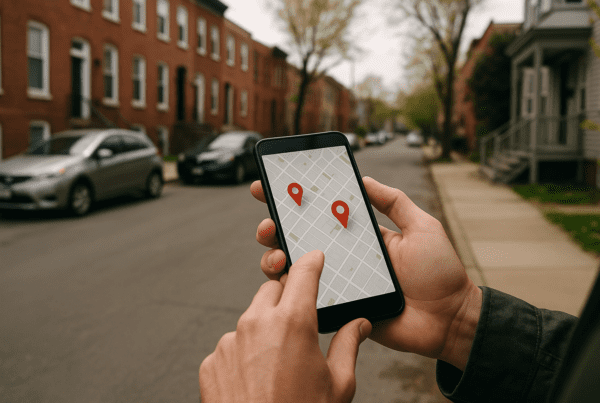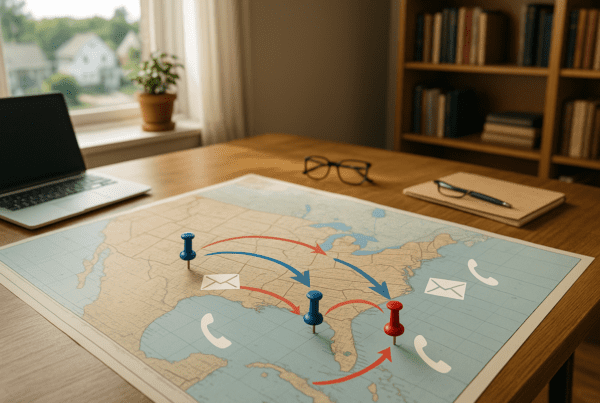

Relational links within public data are like the quiet scaffolding underneath the vast drama of daily information updates. They don’t always capture immediate headlines yet provide critical insight into how identities get woven together from isolated facts and records. Over time, observing these links reveals patterns, some expected and others surprising, that sketch a picture of information flow, data integrity, and the shifting way people appear and reappear in public records.
Connections More Complex Than They Seem
In practice, relational links are the ties that bind individual records: family ties, address histories, phone numbers, or shared institutional affiliations. Typically, these links are the hidden threads that platforms like PersonZoom use to aggregate profiles, validating identities beyond a single piece of information. But as public record systems evolve, so do the complexities of these links.
For example, advances in data aggregation allow algorithms to reconcile variations in name spellings, date inconsistencies, or even address changes spanning years and states. It is common to see what once looked like disconnected dots emerge into coherent nodes through cross-referencing multiple datasets. This process, however, relies heavily on both data volume and quality. Sparse or outdated data weakens link strength and increases chances of errors, making it a delicate balance for anyone relying on these connections for verification or research.
Some patterns become obvious when scanning relational links across time. A person’s movement through geographic areas often leaves a trail in property records, utility bills, and government registrations. Still, these links sometimes reveal unexpected relationships, such as familial connections through co-ownership of assets or shared historical addresses, adding layers to identity construction beyond the protagonist’s own direct records.
The Impact of Social and Technological Shifts
One interesting observation is how societal changes influence the way data interlinks. The rise of digital footprints in the early 2000s brought about more detailed contact data, which, combined with widespread mobile usage, produces denser relational webs. This density helps refine who is who, but it also introduces privacy challenges that regulators and platforms continue to wrestle with.
Another factor is the migration towards centralized public records databases. As governments digitize older records and consolidate holdings, relational links become easier to confirm on a greater scale. That consolidation means previously obscure connections-perhaps once available only through painstaking manual searches-can now surface automatically.
However, digitization is a double-edged sword. There are still gaps, especially in areas where historical data was never digitized or where recordkeeping was inconsistent. Users uncover these blind spots when relational links unexpectedly terminate or lead to conflicting information, reminding us that even the best databases have fractures beneath their glossy interfaces.
Relational Signals and Identity Verification
What stands out most about relational links is how they function as signals for identity verification. A lone piece of information, like a name or a phone number, can be fragile-duplicated names or changed numbers are routine. But when paired relational data aligns, such as matching historical addresses over time coupled with familial links, confidence mounts in confirming true identity.
This layered verification process is an ongoing dance between available data and the contextual meaning drawn from it. Platforms merging public records often highlight the importance of relational data to distinguish a Jane Smith in Ohio from one in California. Methods like comparing relational patterns across multiple data sources help reduce false matches and increase certainty.
At the same time, links can complicate verification by surfacing unexpected associations. For instance, when records show family ties with individuals under legal scrutiny or address overlaps with businesses, these become flags worth deeper investigation. Not all connections equal trust, but they deepen the narrative around identity by providing context beyond an isolated superficial fact.
Looking Ahead in the Data Landscape
As public data environments continue evolving, the patterns in relational links will also shift, shaped by new sources, better analytics, and changing privacy norms. Observers notice a trend where integration across datasets from different domains-legal, financial, social-will create more nuanced maps of identity and relational history.
Yet with these developments, the importance of transparency and ethical data use remains paramount. Public records aggregation must operate with clear accountability to prevent misuse or mistaken identity problems. Success in this space hinges on balancing technological power with respect for the individual’s data footprint.
Ultimately, watching how relational links form and change over time offers a window not just into data, but into how society documents itself. It reveals what connections gain importance and how digital trails create layered biographical tapestries, quietly shaping our understanding of who people are, both online and offline.
For those curious about the technical side of these practices, exploring resources like the Federal Trade Commission’s data resources or the Office of Violence Against Women Public Records FAQs can provide useful insights. Additionally, PersonZoom itself exemplifies many contemporary aggregation and relational linking techniques in action, helping users navigate the complexities of public data effectively.
So, as the data around us becomes ever richer and more interconnected, staying mindful of the nuances behind relational links will be key to understanding the continually evolving landscape of public information.
Sources and Helpful Links
- Federal Trade Commission data resources – Insight into consumer data and privacy protection oversight in the United States.
- Office of Violence Against Women Public Records FAQs – Guidance on the use and interpretation of public records in sensitive contexts.
- PersonZoom – A platform illustrating modern people search and public record aggregation.