The explosion of digital marketplaces over recent years has transformed how people buy and sell goods. It is commonplace now to find everything from handcrafted jewelry to used cars on platforms where sellers range from large companies to individuals operating small side businesses. This variety opens convenience and variety unheard of in traditional retail, but it also brings fresh challenges around trust and verification.
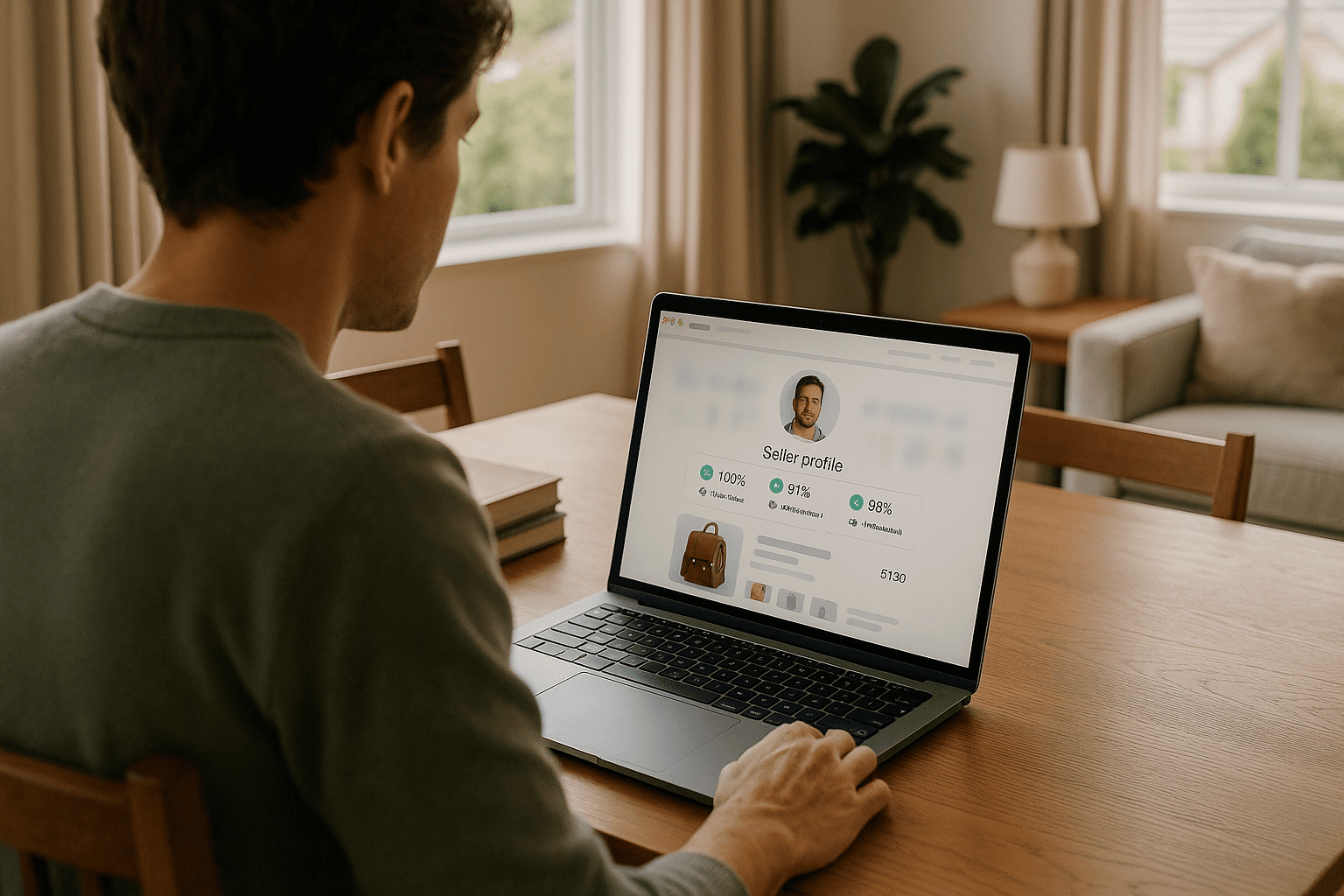
When a purchase involves no in-person interaction or physical store presence, consumers depend largely on information about the seller provided through profiles, reviews, and ratings. These signals are intended to reconstruct some feeling of confidence, yet they can be imperfect or manipulated. That fragility underlines why the verification of online sellers is getting attention as a more urgent concern.
Digital Marketplaces Expand, and Fraudsters Adapt
Growth in e-commerce, accelerated by the pandemic and changing consumer habits, means digital marketplaces are now a central shopping channel worldwide. According to a 2023 report from Statista, e-commerce sales worldwide exceeded $5 trillion in 2022, and projections show continued growth. More platforms vie for user attention, some focused on specialized goods while others offer everything, allowing anyone to list items. While this democratizes commerce, it also invites bad actors to exploit the system.
Cases of fraud range widely, from selling counterfeit or non-existent products to hijacking seller accounts to scam buyers. The Federal Trade Commission has documented steady increases in complaints related to online purchasing scams. Fraud schemes here are often sophisticated, combining fake product listings with fabricated reviews and stolen identities, making detection difficult at the consumer level.
Profiles and Ratings Cannot Always Be Trusted Alone
Consumers naturally look for signals like star ratings, user reviews, and seller history to gauge legitimacy. However, these mechanisms can be gamed. Research into fake reviews reveals coordinated manipulation campaigns that burnish dishonest seller reputations. In other cases, legitimate sellers might unknowingly be victims of identity theft, with scammers piggybacking off their profiles.
This complexity means that buyers who rely solely on marketplace metrics might miss red flags. Platforms have recognized this and started developing tools to verify sellers’ identities more rigidly, although adoption and effectiveness vary widely across services.
Why Verification Matters Beyond Fraud Prevention
Verification is not just a shield against outright scams; it affects quality assurance and buyer satisfaction in subtler ways. Verified sellers tend to have more accountability measured by accessible contact information and confirmed business registrations. This can influence dispute resolution, returns, and communication quality, all critical for positive customer experiences.
Verification also helps build broader trust ecosystems, where customers feel safer knowing a platform cares about vetting those who sell. This confidence can foster longer-term engagement rather than transactional, one-time purchases based on hope or convenience.
Current Practices and Their Limits
Many marketplaces require basic identity confirmation steps, such as email verification or phone number confirmation. More thorough verification may include government ID checks, business license validations, or payment account authentication. Etsy, Amazon, and eBay have iterated on these methods, aiming to block suspicious accounts and offer buyer protection policies that encourage legitimate sellers.
Yet, no system is foolproof. Constantly evolving tactics by fraudsters require marketplaces to continually update their approaches. Verification processes that are too stringent risk alienating small legitimate sellers, while lax procedures leave consumers vulnerable. Balancing these factors remains a challenge.
The Role of Third-Party Verification Services
Some companies specialize in third-party seller verification, offering services to marketplaces or individual buyers. They use data aggregation, identity matching, and fraud detection technology to assess seller trustworthiness before transactions happen. These services add a layer of assurance by drawing on larger data sources beyond the marketplace itself, including public records, social media signals, and payment histories.
Consumers seeking higher certainty often turn to such verification tools independently. Their growth signals a demand for more transparent and reliable seller validation than standard marketplace profiles provide.
Practical Steps for Buyers in Today’s Digital Marketplaces
While awaiting more uniform verification standards everywhere, consumers can still take meaningful precautions. Researching sellers beyond platform profiles, checking for verified badges, and reading multiple sources of reviews can reveal inconsistencies or worrying patterns. When possible, requesting additional seller information or using secure payment methods provides further protection.
Consumer education efforts have bolstered awareness of risks and strategies. Organizations like the Better Business Bureau offer guidance on detecting fake sellers and reporting suspicious activity, emphasizing vigilance as a key tool.
The urgency around verifying online sellers grows as digital commerce continues to weave deeper into everyday life. Marketplaces gain volume and variety, but their very openness calls for smarter trust frameworks and informed buyer behavior. As systems and technology evolve, so too does the shared responsibility of platforms, third-party verifiers, and consumers to keep online buying safe and satisfying.
Exploring trusted resources can deepen understanding of verification and fraud trends. The FTC website offers useful insights and complaint data regarding online scams. Marketplaces themselves publish their verification policies and buyer protection programs, shedding light on current industry approaches. Understanding this terrain helps everyone navigate with more confidence.
At the intersection of convenience and caution, verifying online sellers showcases the complexities of identity and trust in the digital age. Its increasing urgency reflects broader shifts in commerce and consumer behavior, where clear signals about who sells and under what conditions become as vital as the products themselves.
As online buying evolves, so does the landscape of verification. Keeping pace with those changes requires attention, asking the right questions, and relying on reliable sources to confirm who is on the other end of the transaction.
Sources and Helpful Links
- Federal Trade Commission – Guidance on spotting and reporting online shopping scams
- Statista – Data and analysis on global online shopping trends
- Better Business Bureau – Tips for avoiding fake sellers in online marketplaces
- Amazon Seller Verification – Overview of Amazon’s seller verification policies and protections