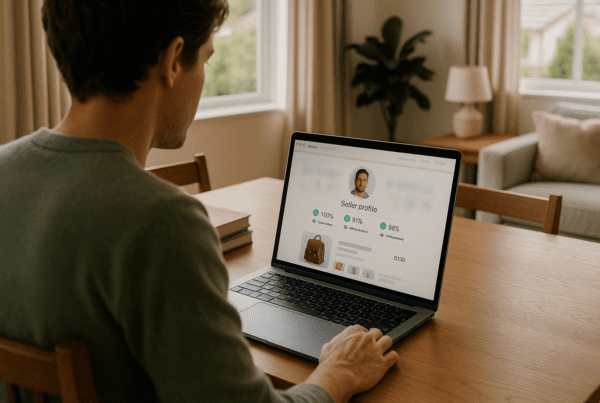

At one time, free people search websites appeared as convenient gateways to vast amounts of personal information. Many users expected quick, straightforward answers about contacts, neighbors, or long-lost acquaintances without paying a dime. Yet, the current landscape tells a different story. An increasing number of consumers, after using these free services, approach them with a cautious eye. What accounts for this growing skepticism?
Like Peeling an Onion in the Digital Age
A free people search service often markets itself as a no-cost tool, but the reality is more layered. Many rely on advertising revenue, which means users’ searches may feed targeted ads elsewhere. Others encourage upgrading to paid tiers with promises of deeper insights or cleaner data, suggesting that free results might be incomplete or outdated. When a user follows a trail on one of these sites, it becomes apparent that information is frequently drawn from public records, which are themselves sometimes behind paywalls or published with delays.
This patchwork of sources creates an uneven experience where the user is never quite sure how reliable the findings are. Additionally, the data may be stale, or worse, inaccurate enough to cause confusion in identity verification or personal research. Beyond these practical frustrations, the underlying question persists: how exactly are these platforms managing and distributing what looks like private or semi-private information?
Privacy Concerns Cast Long Shadows
Free people search services often raise flags about privacy, because while public records are legally accessible, those searches create a footprint. People discover that their name, address, or phone number is unexpectedly easy to obtain, sometimes going beyond what they realize is publicly listed. Beyond the surface, queries themselves can be monitored and analyzed for marketing or other purposes.
Various discussions, including those from the Federal Trade Commission, highlight how consumers are increasingly alert to these usages. People worry about their data becoming fodder for advertising schemes, lead generation for sales calls, or worse, exposing them to phishing or identity fraud attempts. When a search service promises free answers but leverages personal data in unforeseen ways, skepticism naturally follows.
Accuracy as an Elusive Target
Another point of hesitation centers on the accuracy of the results. A user might type in a name expecting information on a particular individual but receive data from multiple people with similar names or outdated records tied to previous addresses. This can lead to mistaken identity or confusion, especially when the stakes involve verifying job applicants, reconnecting with family members, or reviewing potential dates.
Even major players in the data aggregation space caution users about this. According to consumer protection advice from the FTC, no people search site can guarantee complete accuracy, especially free ones that rely on bulk data scraping rather than ongoing verification. For many consumers, this reduces trust, prompting them to cross-check information through other sources or turn to paid services where accuracy standards may be higher.
The Trade-Off Between Convenience and Control
What feels like convenience at first can quickly unravel as a consumer’s relationship with data deepens. Many users discover that consenting to free service terms may provide access to personal information but give up control over how their own data is shared and sold. Unfortunately, service providers often operate under complex privacy policies layered with jargon and small print. Few users read these fully before engaging.
The rise in consumer awareness of data regulations like the California Consumer Privacy Act has also elevated expectations around transparency and user rights. Yet, a mismatch exists between these regulatory ideals and how free people search websites function in practice. It leaves users navigating a gray area where convenience clashes with informed consent, and this tension fosters skepticism.
Small Reality Checks Have Bigger Consequences
Experiencing discrepancies firsthand adds to the wariness. Some users report finding outdated arrest records or incorrect addresses linked to them or people they know. Others have noticed aggressive upselling tactics that pressure individuals into paid subscriptions, diminishing the free promise even more.
At times, the experience raises questions about the ethics of how public data is gathered, packaged, and redistributed. When a person’s life details are available for free but used in ways that feel intrusive or exploitative, it adds a layer of distrust not just toward the service but toward the broader ecosystem of public record aggregation. This skepticism is part of a larger cultural shift as more people consider digital footprints and personal data through new ethical and privacy lenses.
For those who need people search services, sorting through these realities means balancing the benefits of quick accessibility with an awareness of the possible pitfalls. Whether for reconnecting with an old friend, verifying an identity, or screening contacts, users often learn that patience, cross-referencing, and even some payment might be necessary to gain clarity and confidence.
The rise in consumer skepticism around free people search services underscores a subtle but profound change in how we relate to personal data online. It reflects not only practical frustrations with accuracy and privacy but also a more thoughtful perspective on trust and control in the digital age.
People navigating this field may want to explore more comprehensive resources about data rights and safe search practices. Reliable guides from government sources like the Privacy Rights Clearinghouse and practical consumer tips from platforms such as Consumer Reports offer valuable insights. As this awareness grows, it is likely that people’s approach to free people search services will continue evolving, marked by a more measured balance of convenience and caution.
Understanding these patterns is crucial for anyone looking into personal or professional investigations relying on public data. The old notion that free equals easy and safe is steadily shifting toward a recognition that such services come with conditions and compromises that deserve attention and care.
If you have found yourself questioning a free people search site recently, you are not alone. This burgeoning skepticism speaks to a collective reevaluation of information trustworthiness and privacy in an era where digital traces remain remarkably enduring.
At the intersection of accessibility and responsibility, consumers are quietly reshaping the expectations around online personal data searches, seeking transparency and respect alongside affordability and convenience.
Sources and Helpful Links
- Federal Trade Commission, a primary government resource covering consumer protection and privacy issues
- FTC on Consumer Reports, insights on accuracy and credibility disclaimers around consumer data
- Privacy Rights Clearinghouse, non-profit providing education on digital privacy and data rights
- Consumer Reports on People Search Safety, practical guidance for navigating people search tools thoughtfully