I’ll be honest — the first time I paid for a background check, it was out of curiosity. I wanted to see what these websites actually know about people. You see the ads all the time: “Find anyone instantly.” They make it sound like you’re one click away from a dossier on your old classmate or your next-door neighbor. But the truth? Most paid background check services give you a mix of gold, dust, and noise. I’ve tried a bunch of them over the years — part research, part personal curiosity — and I’ve learned that not all of them are worth your money.
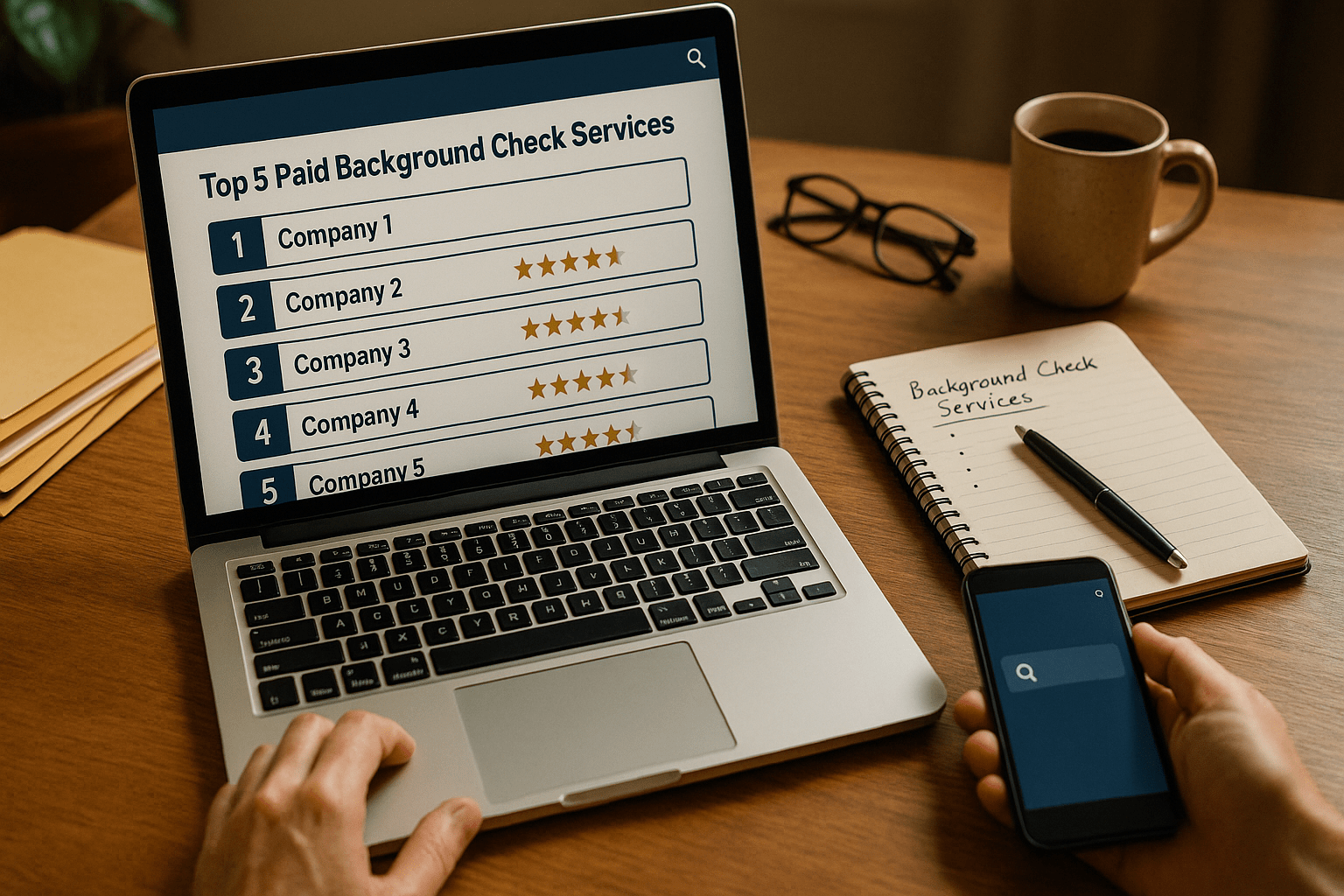
Let’s start with the basics. There are hundreds of these services online, but the same few names keep popping up: TruthFinder, BeenVerified, Intelius, Instant Checkmate, and Spokeo. They all pull from roughly the same pool of public data — court records, addresses, phone listings, social media, property records, and sometimes arrest data. But how they present it, how accurate it is, and how transparent they are about pricing makes a world of difference.
When I tested TruthFinder, it felt flashy at first. They promise deep web results, hidden social media accounts, and background summaries. The interface looks professional, but I’ll tell you this — the constant upselling drove me crazy. Every time I thought the report was ready, another “upgrade” offer popped up. The data itself was decent — I found correct phone numbers and old addresses — but it also showed outdated information that hadn’t been relevant in years. If you need a quick read on someone, it’s fine, but it’s far from perfect.
BeenVerified was a little more down to earth. The dashboard was clean, and I liked that they were upfront about where their data came from. I ran a check on myself to see how accurate it was. It nailed my previous addresses and phone records, even found a LinkedIn connection I’d forgotten about. The tradeoff? Like TruthFinder, you need a monthly subscription, and canceling takes patience. But in terms of reliability, BeenVerified struck me as one of the more trustworthy ones. The Better Business Bureau gives them a solid rating, which says a lot in this industry.
Then there’s Intelius. This one’s been around forever. It feels like one of the originals — kind of the grandparent of the background check world. Their reports are detailed, but you have to dig through a maze of pop-ups and optional “premium” tools. The plus side is that Intelius is part of PeopleConnect, which owns several of these companies, so the data coverage is wide. The downside is that you sometimes end up paying for the same data under different brand names. Accuracy-wise, it was hit or miss. It caught my correct property record but missed a recent professional license I knew existed. So, it’s like getting a 70% complete puzzle — recognizable, but not complete.
Next up: Instant Checkmate. Their marketing is dramatic — big fonts, bold promises, “uncover the truth” kind of language. The reports look impressive at first glance. But what you quickly realize is that they’re mostly reorganized public data. I ran one search that returned a criminal record hit. Sounded alarming until I checked the actual county database — it was a different person with a similar name. That kind of false positive can be dangerous if you’re not careful. To be fair, their support team was quick to respond when I asked for clarification, which I appreciated. Still, I’d use it with caution. Always cross-check anything that looks serious directly with the official source — the FBI Identity History Summary or your state’s court database.
Last but not least, Spokeo. This one markets itself more as a people search and contact finder than a traditional background check. It’s fast, light, and honestly, one of the most user-friendly. It’s great for reconnecting with someone — say, verifying a contact’s email or checking if a phone number is still active. But if you’re looking for deep background data, Spokeo isn’t it. Their reports are thinner, and they admit they’re not FCRA compliant. That means you can’t legally use their data for hiring, renting, or any decision that affects someone’s livelihood. To their credit, they’re transparent about that. It’s printed right at the bottom of every page, and they even link directly to the Fair Credit Reporting Act so users don’t misuse it.
Something I’ve learned — and I mean this both as a consumer and as someone who builds online tools — is that presentation can trick you into thinking accuracy. These sites look official, with seals and timestamps, but that doesn’t make them legally sound. Courts, employers, or landlords can’t use these reports directly because they don’t meet FCRA standards. Even the CFPB has issued warnings about non-compliant background check companies selling data that shouldn’t be used for legal purposes.
So which one is worth it? If I had to pick based on real usability, BeenVerified is the most balanced — accurate enough, transparent enough, and not as gimmicky as some others. TruthFinder has style but too much fluff. Intelius is solid for legacy data but feels dated. Instant Checkmate looks powerful but needs verification before you act on anything serious. And Spokeo? Perfect for light people searching, not background screening. Each has its place — you just have to match your expectations to what they actually deliver.
Would I pay for them again? Maybe. But now I use them differently. I don’t look for “the truth” in one report. I use them like scouting tools — a place to start, not the place to end. The real value comes when you take what you find and confirm it through official records. It’s a slower process, but it’s the only one that really holds up. And in this era where data is bought, sold, and reshuffled endlessly, a little patience is worth more than speed.
If you ever want to dig deeper, check the company’s record with the Better Business Bureau or read the FTC’s overview of the Fair Credit Reporting Act. It’s not as thrilling as clicking “search now,” but it’ll save you time and money — and a few headaches down the road.