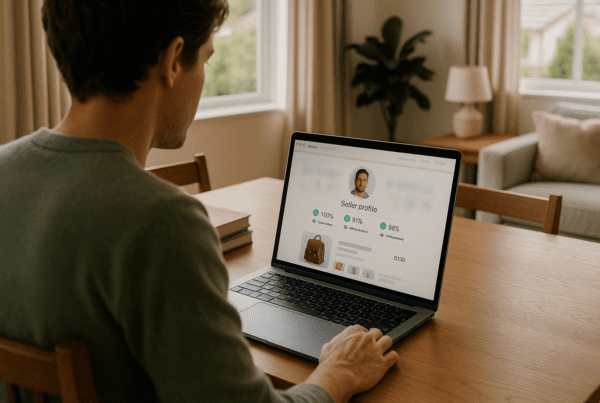

Making financial decisions is a task layered with complexity and uncertainty. What quietly underpins many of these choices, yet often goes unnoticed, is the depth of information that public records can provide. While they rarely grab headlines, these official documents silently influence consumer awareness, presenting details that help individuals navigate loans, investments, and credit with more confidence.
The quiet power of data that is publicly accessible
When people look into financial services or products, they often focus on advertising offers or quick comparisons. Yet much of the deeper background emerges through public records that gather extensive details on businesses, property ownership, court cases, and credit histories. These records bring to light elements such as regulatory compliance, licensing statuses, and even legal disputes involving financial institutions or service providers.
For instance, a consumer considering a mortgage lender might explore publicly available licensing databases to check if the lender is properly authorized in their state. They could also find records of any past regulatory violations or consumer complaints that are documented in public filings. These signals can shape the risk profile in ways that go beyond catchy advertisements or glossy promises.
Transparency as a cornerstone for trust
Trust in financial institutions and products does not come from thin air. It rests heavily on transparent information. Public records act as a check on businesses, revealing whether they are operating within legal boundaries or if there are financial judgments against them. This transparency is crucial, especially as financial decisions often involve significant amounts of personal assets and long-term commitments.
In practice, this means that before committing to a financial product, individuals can see if the institution has a history of disputes, liens, or other red flags that may impact their reliability or ethical standing. The ability to access such data reduces surprises and cultivates a sense of control and safety in decisions that might otherwise feel overwhelming.
Connecting dots between credit and personal financial awareness
Credit reports are a specific kind of public record that have a profound impact on consumer finance decisions. These reports compile data on payment histories, outstanding debts, and public records like bankruptcy, offering a snapshot of creditworthiness that lenders rely upon. For consumers, understanding the details within credit reports can empower smarter borrowing and planning.
Beyond the individual level, public records provide data related to property ownership and tax records. These can serve as key references when consumers evaluate real estate investments or verify claims about the financial health of partners or employers. Such records help in painting a fuller picture of financial realities that advertising or testimonials might only hint at.
Financial decisions amid growing data transparency
The evolving landscape of data access means that public records continue to expand and reshape how consumers interact with financial systems. Digitization has made many records easier to obtain, but the sheer volume can soon become overwhelming. Still, knowing where to find and how to interpret these documents remains a significant advantage.
For example, government portals now offer access to court records, business registries, and lien databases that consumers can explore before major commitments. This fosters a financial environment where decisions are less about blind trust and more about informed choices, guided by concrete evidence accessible to anyone.
However, the flip side is the risk of misinterpretation or information overload. Public records can reflect raw data without context, requiring consumers to approach them critically. This challenge underlines why many turn to trusted aggregators or independent verification services that help interpret and clarify public records tied to financial reputations.
Ultimately, public records form a foundation that supports consumer sovereignty in financial decisions. They offer the hard facts beneath the marketing and promise, placing tools of awareness into the hands of those who seek to understand and verify before they commit.
As more individuals recognize the value of these resources, the financial landscape may slowly shift toward markets built on clearer transparency, reducing risks from hidden histories or unspoken liabilities. In this way, public records are not just ancient or dry archives but living, practical parts of day-to-day financial awareness.
For those looking to use public records in their financial research, it is worth starting at official state and local government sources for business licenses, court records, and property data. There are also nonprofit organizations that help explain financial rights and records, guiding consumers through what to look for and why it matters.
The challenge remains balancing access with understanding, ensuring that public records serve as a useful tool rather than a confusing mire. Yet the evidence suggests that when consumers engage with these records thoughtfully, they find a vital edge in an otherwise complex financial world.
Exploring public records shines a light on the path to more transparent, informed financial actions, empowering consumers beyond the surface and into the depths of what truly matters.
More resources about public records and financial insight are available through sites such as the Consumer Financial Protection Bureau, which offers guidance on credit and debt, or the USA.gov portal for government records. Independent data explorers like PeopleFinders also provide accessible tools that combine public records for clearer perspectives.
Knowing what lies behind the public record curtain may not guarantee perfect outcomes, but it certainly lays down a clearer, more robust foundation for weighing financial choices wisely.
Sources and Helpful Links
- Consumer Financial Protection Bureau – Offers resources on credit, debt, and financial consumer protection.
- USA.gov – A gateway to official government public records and services.
- PeopleFinders – Provides access to public records and background information aggregation.
- Financial Crimes Enforcement Network – U.S. Treasury resource relevant for regulatory transparency and financial crimes data.