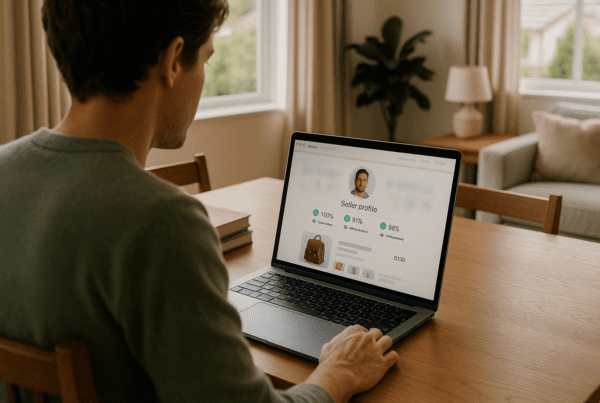

In a world increasingly shaped by data, the businesses that specialize in people search have found themselves under new kinds of scrutiny and pressure. These companies hold vast amounts of personal information that many people never expected would be accessed or organized in this way. As consumers and regulators demand stronger protections, firms operating in this space are adjusting their approaches, sometimes visibly and sometimes behind the scenes.
The weight of expectations around personal data
People search services have gained widespread use for everything from reconnecting with old friends to conducting background checks. This popularity has brought with it complex questions about data security and privacy. These concerns are not only coming from individual users but also from lawmakers around the world who are increasingly focused on regulating how personal information is collected, stored, and shared.
The European Union’s General Data Protection Regulation (GDPR) has set one of the strictest frameworks, inspiring similar initiatives internationally and encouraging companies in the U.S. to rethink their data security commitments. For a sector that often depends on aggregating information from public and third-party sources, compliance presents both technical and operational challenges. The need to protect sensitive details while retaining usability has become a balancing act.
The practical shifts in data handling practices
One noticeable change is how people search companies are revisiting their data storage and access controls. Encryption has become a standard expectation rather than an optional layer. End-to-end encryption, which protects data during transmission and while at rest, helps keep personal information out of the hands of unauthorized parties. This was not universally emphasized years ago but now commands priority in system design and vendor assessments.
Access management has also tightened. Companies are deploying multifactor authentication and monitoring tools to detect unusual activity. By limiting who can view or export data and tracking those interactions, they reduce risks tied to insider threats or accidental leaks. Behind this technical work, there is a cultural shift emphasizing accountability and security awareness among employees.
Beyond internal adjustments, these firms revisit their partnerships with data providers. Due diligence now often requires formal security certifications and transparent data sourcing policies. Users are becoming increasingly aware of data’s origins, so people search companies try to clarify what kinds of records they collect and how they verify accuracy and legality. This extra layer of scrutiny adds complexity but can boost trust.
Transparency and user control as new standards
Responding to the growing public demand for control over personal data, many people search services have revised their privacy policies to be more accessible and clear. Websites now more frequently include straightforward explanations about data collection, usage, and sharing practices. Some allow users to access their own data profiles or request deletions under certain conditions.
This responsiveness aligns with broader trends in data privacy where transparency helps counterbalance concerns regarding data misuse. It also reflects lessons learned from high-profile breaches and subsequent public backlash. The ability for consumers to manage their footprint-or at least gain insight into how it is used-is increasingly a feature rather than an afterthought.
However, the extent to which controls are effective varies. Some companies implement robust tools that empower users, while others provide limited options that may fall short of full data autonomy. The evolving regulatory environment continues to push for more standardized rights, which could homogenize this landscape in the future.
Navigating the challenges of accuracy and ethics
Security is only part of the broader responsibility people search companies face. Accuracy and ethical considerations around data presentation have also come under the microscope. Incorrect or outdated information can lead to significant harm, from reputational damage to unfair discrimination. Maintaining current and correct records requires ongoing verification efforts, something that is resource-intensive but essential.
Ethically, these companies wrestle with questions about what information should be public or accessible at all. Some data points might be technically public records but sensitive in context, such as arrest records or financial liens. Striking a balance between transparency and privacy rights is tricky, and different companies take varied stances, influenced by region, business model, and customer expectations.
As these firms expand their offerings to include more comprehensive data profiles, the implications of misuse or accidental exposure grow larger. This amplifies the need for strict policies and careful product design with privacy considerations embedded from the outset.
The shifting landscape ahead
It is clear that people search companies operate in a space that is rapidly evolving both legally and culturally. Consumer demand for security and privacy is reshaping how these organizations build their services and handle information. Some embrace this change as an opportunity to differentiate themselves through trust and reliability.
Others face the challenge of adapting legacy systems or cumbersome data partnerships that complicate compliance. The pace of innovation in areas such as artificial intelligence and data analytics means the dialogue around security and privacy continues to unfold with new twists.
For anyone relying on people search platforms, whether for personal or professional reasons, awareness of these dynamics can help them make more informed choices. Understanding the measures companies take to safeguard data, the transparency they offer, and the ethical considerations they uphold is part of navigating today’s digital identity landscape realistically.
In many ways, the people search industry provides a front-row view into how data-centric businesses are responding to the demands of a more security-minded society. The changes observed are emblematic of wider shifts in data stewardship that affect all sectors connected to personal information.
Staying alert to these developments offers a window into the balance between utility and privacy, between access and protection, at the heart of public records and identity data use today.
For further reading on data security and privacy in this sector, the Federal Trade Commission’s privacy resources provide authoritative guidance. More technical insights can be explored at the National Institute of Standards and Technology cybersecurity section, where encryption standards and best practices are detailed in accessible language.
The evolving regulatory framework in the U.S. can be tracked through the Cybersecurity and Infrastructure Security Agency’s data protection resources. For consumers curious about managing online identities, Privacy Rights Clearinghouse’s tools and advice remain a practical support.
Such resources help keep this conversation grounded in real-world guidance rather than hype or worry alone.
Sources and Helpful Links
- Federal Trade Commission’s privacy resources – Authoritative guidance on consumer privacy protection in the U.S.
- National Institute of Standards and Technology cybersecurity section – Technical standards and best practices for safeguarding data.
- Cybersecurity and Infrastructure Security Agency’s data protection resources – Updates and regulatory information related to data security in the U.S.
- Privacy Rights Clearinghouse – Consumer-focused tools and advice for managing online privacy and identity.